Hydraulic mobile stages rely on a hydraulic system to unfold roofs, extend stage platforms, and complete deployment safely and efficiently. While cylinders, pumps, and valves often receive the most attention, the hydraulic oil is the working medium that allows every movement to happen.
Unlike stationary equipment, mobile stages are transported between different venues, operate outdoors in changing weather conditions, and may remain idle for extended periods before the next event. These operating characteristics make routine hydraulic oil inspection an important part of preventive maintenance.
A few minutes spent checking the hydraulic oil before operation can help maintain smooth performance, reduce unexpected downtime, and support the long-term reliability of the hydraulic system.

Hydraulic oil does much more than lubricate moving parts. It transfers hydraulic power, lubricates internal components, helps dissipate heat, and protects the system during normal operation.
For hydraulic mobile stages, the hydraulic system often operates multiple cylinders during deployment and folding. Smooth, synchronized movement depends on stable hydraulic pressure, which is directly influenced by the condition of the hydraulic oil.
As a mobile stage is repeatedly transported, deployed, folded, and stored, the hydraulic system experiences operating conditions that differ from many fixed hydraulic installations. Regular inspection helps identify potential issues before they affect field operation.
Before operating the hydraulic system, confirm that the hydraulic oil level is within the manufacturer's recommended range.
On most hydraulic mobile stages, the oil level should be checked with the equipment in its specified inspection position, typically when the stage is fully retracted and the hydraulic cylinders are in their normal storage condition.
An insufficient oil level may affect hydraulic stability during operation, while maintaining the recommended oil level helps ensure consistent system performance.
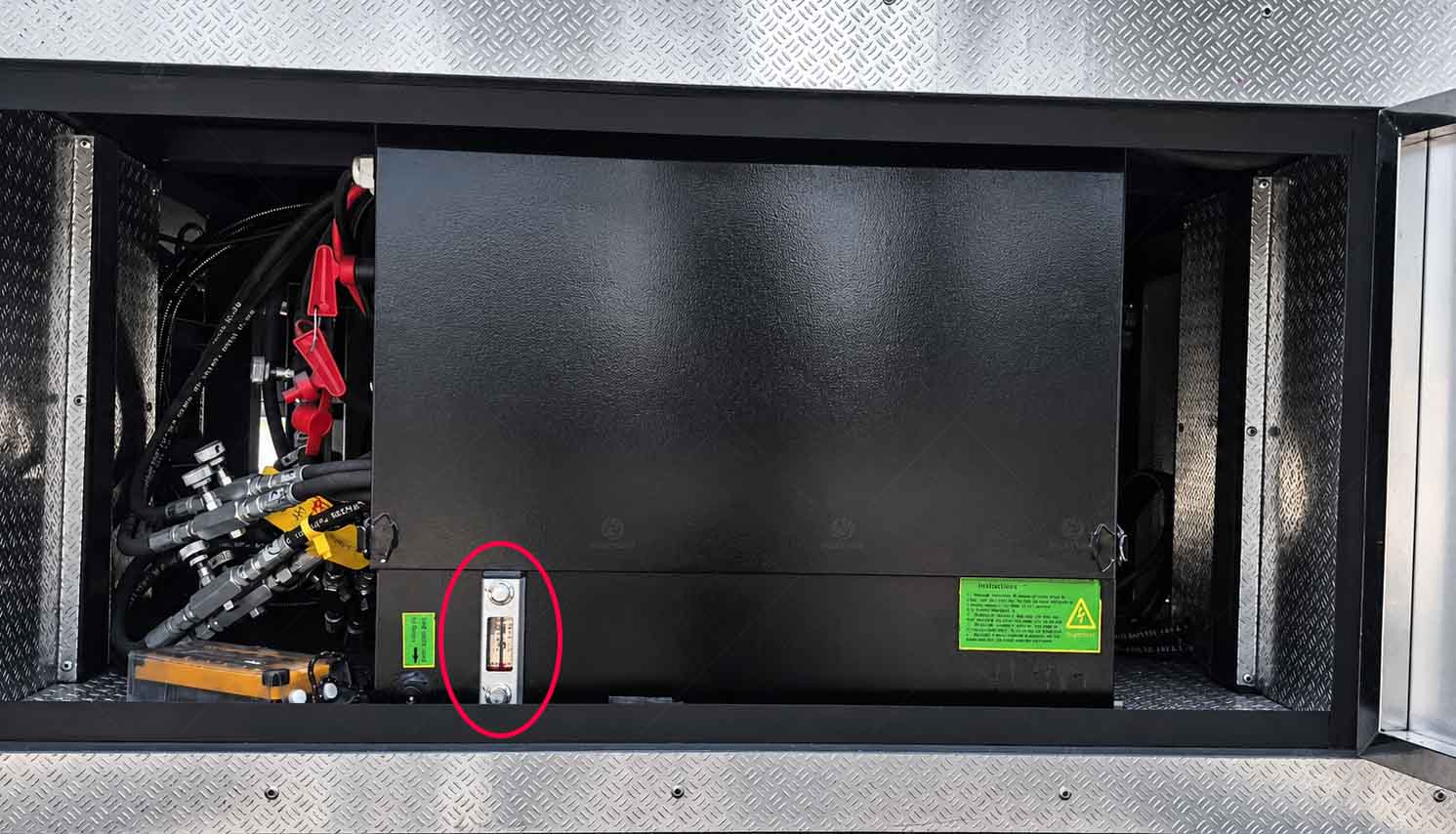
A visual inspection provides a simple way to identify obvious abnormalities.
Hydraulic oil should appear clean and free of visible contamination. Dark discoloration, a milky appearance, or suspended particles may indicate that the hydraulic system requires further inspection.
It is important to remember that visual inspection is only a preliminary check. Oil that appears clean may still require additional evaluation if abnormal hydraulic performance is observed.
Inspect hoses, fittings, cylinders, and hydraulic connections for signs of oil leakage.
Because mobile stages are transported regularly between venues, road vibration and repeated deployment cycles make routine inspection of hydraulic connections particularly important.
Even small signs of seepage should be investigated during maintenance to help prevent larger problems from developing over time.
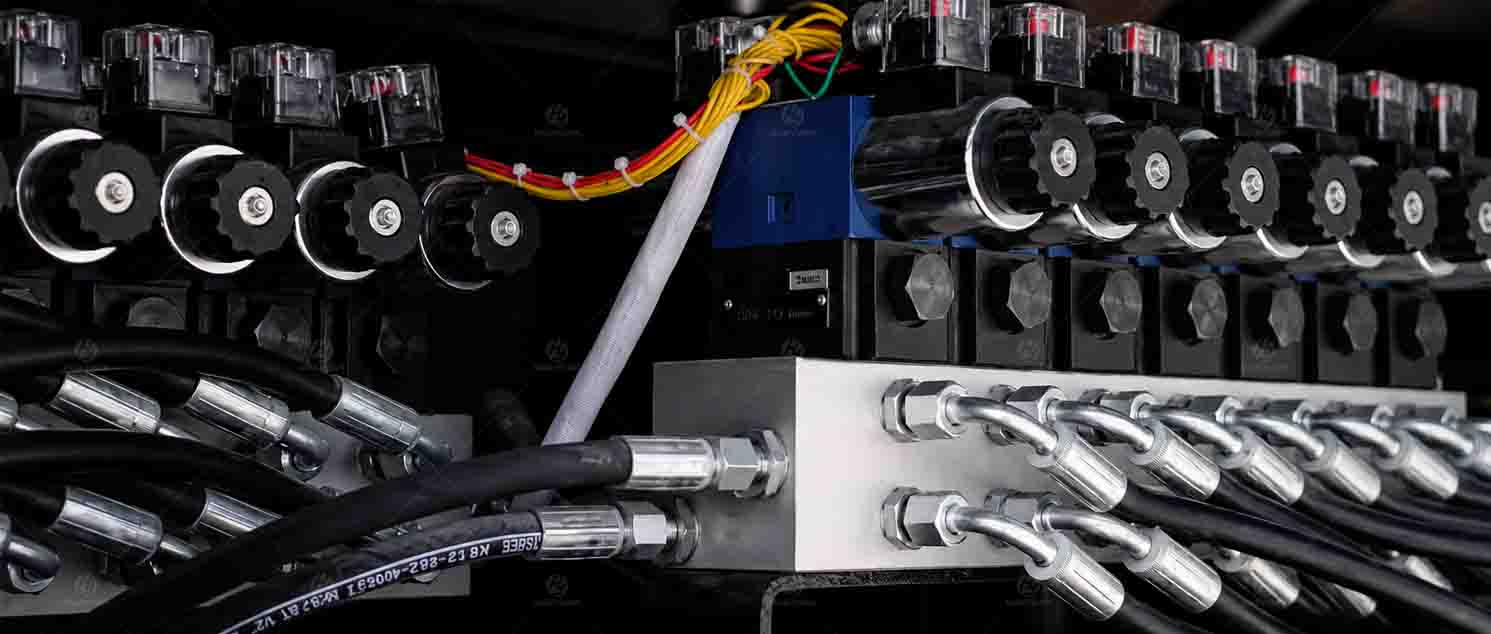
Hydraulic oil naturally warms during operation. However, unusually high operating temperatures may indicate that the hydraulic system is working under abnormal conditions.
If the hydraulic system becomes noticeably hotter than normal or hydraulic movements become slower during continuous operation, further inspection of the hydraulic system is recommended before continued use.
Many hydraulic mobile stages are not used every day. After an event, the equipment may remain parked for several weeks before its next deployment.
Before returning a mobile stage to service after long-term storage, inspect the hydraulic oil level and visually check the hydraulic system for leakage or obvious contamination. Performing these simple inspections before operation can help identify potential issues that may have developed while the equipment was idle.
Hydraulic oil inspection is not simply about checking the oil itself.
Its purpose is to help maintain the overall condition of the hydraulic system, including pumps, cylinders, hoses, valves, and other hydraulic components. Identifying minor abnormalities during routine inspections can often reduce the risk of unexpected failures during deployment.
For equipment used in touring performances, government events, commercial promotions, and other applications where reliable operation is essential, preventive inspection is one of the most effective maintenance practices.
Hydraulic oil plays a vital role in the performance of every hydraulic mobile stage. Regular inspection helps maintain stable hydraulic operation and supports the long-term reliability of the entire hydraulic system.
By checking the oil level, observing oil condition, inspecting for leakage, and paying attention to abnormal operating temperatures, operators can identify potential issues early and keep the equipment ready for safe and efficient deployment.