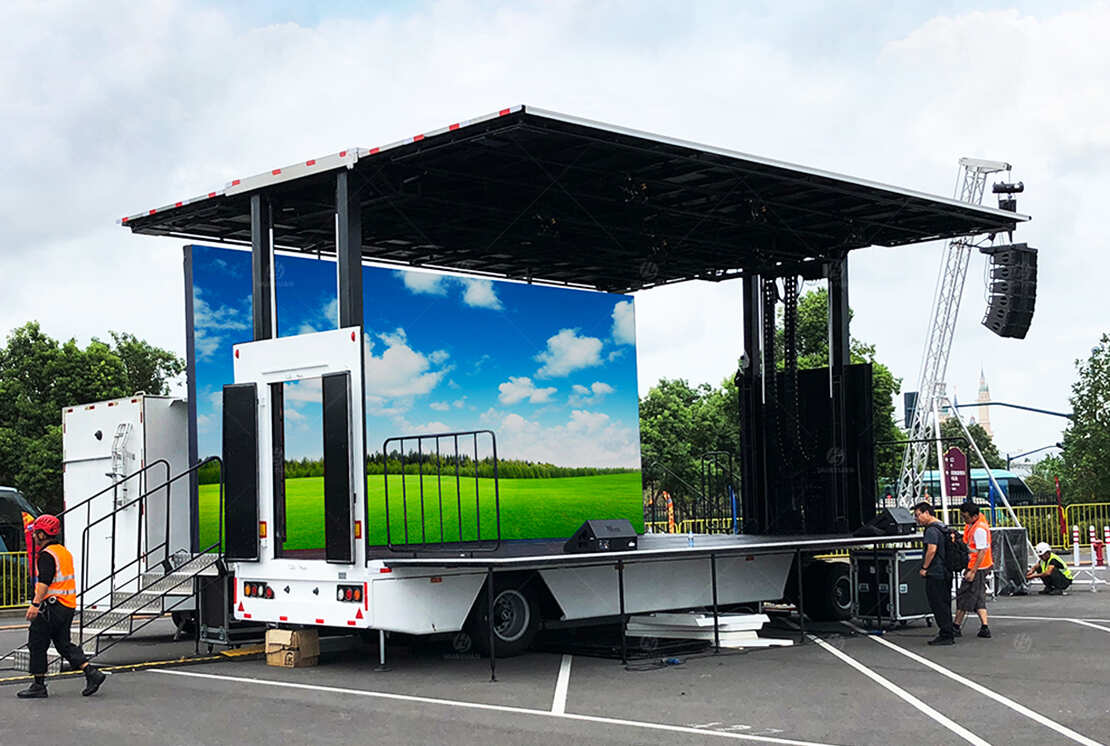
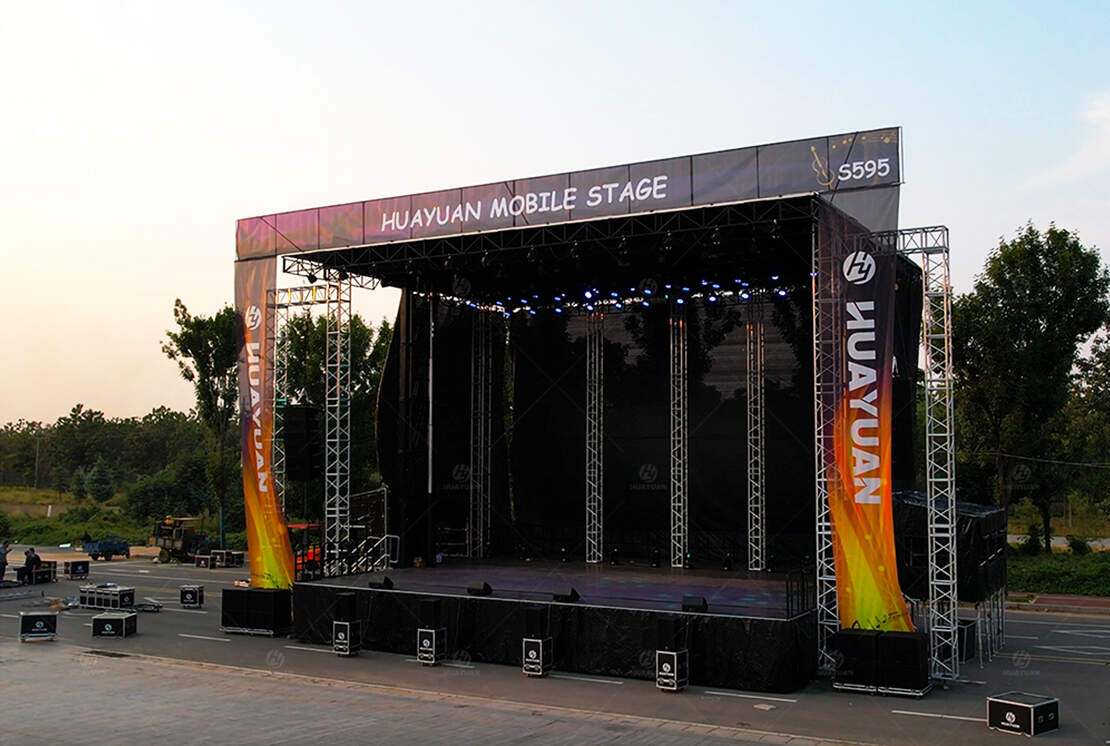
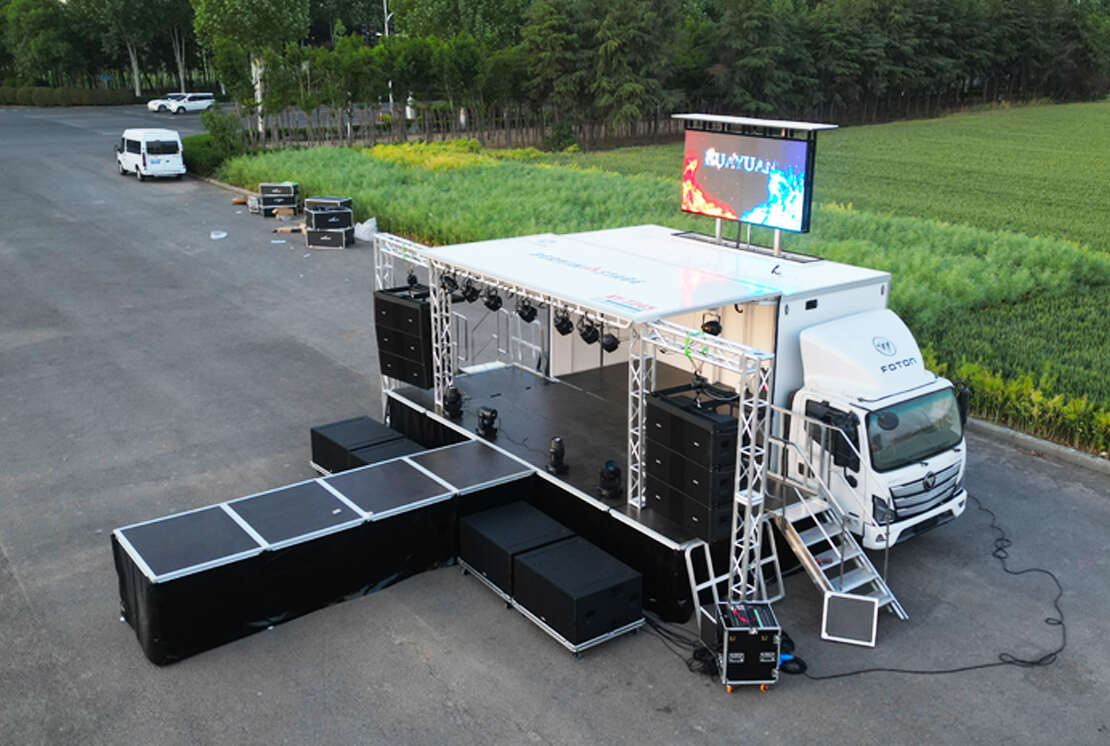
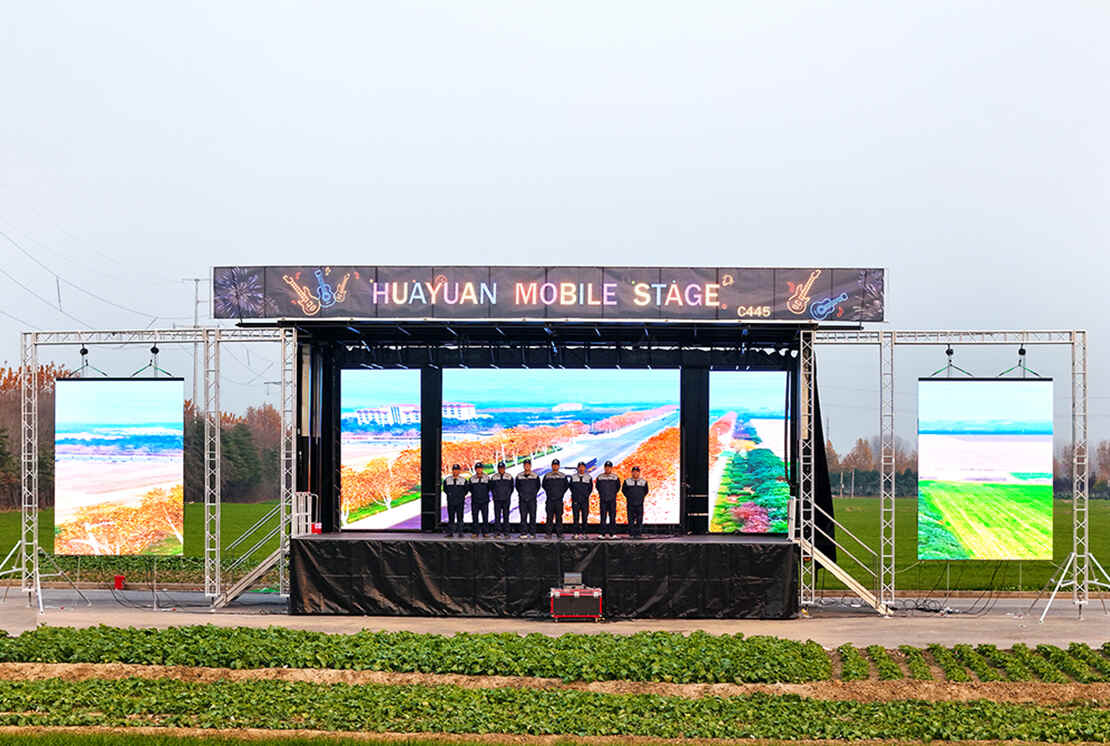
When planning a mobile stage project, many buyers begin by asking about dimensions, payload, or pricing. While these are important, they are rarely the factors that determine the final configuration.
For custom-built mobile stages, the design process usually starts with understanding how the stage will actually be used. Event type, production requirements, operating environment, transportation logistics, and future expansion plans all influence the final solution.
Rather than selecting optional features from a list, experienced manufacturers first define the project requirements and then recommend a configuration that supports those objectives.
Two customers may purchase the same mobile stage platform but require completely different configurations.
A church may prioritize simple operation, quick deployment, and reliable performance for frequent community events.
A government customer may place greater importance on audience access, event visibility, and operational efficiency.
A touring production company may focus on production workflow, equipment integration, and repeated transportation between cities.
The stage platform may remain similar, but the configuration changes because the operational priorities are different.
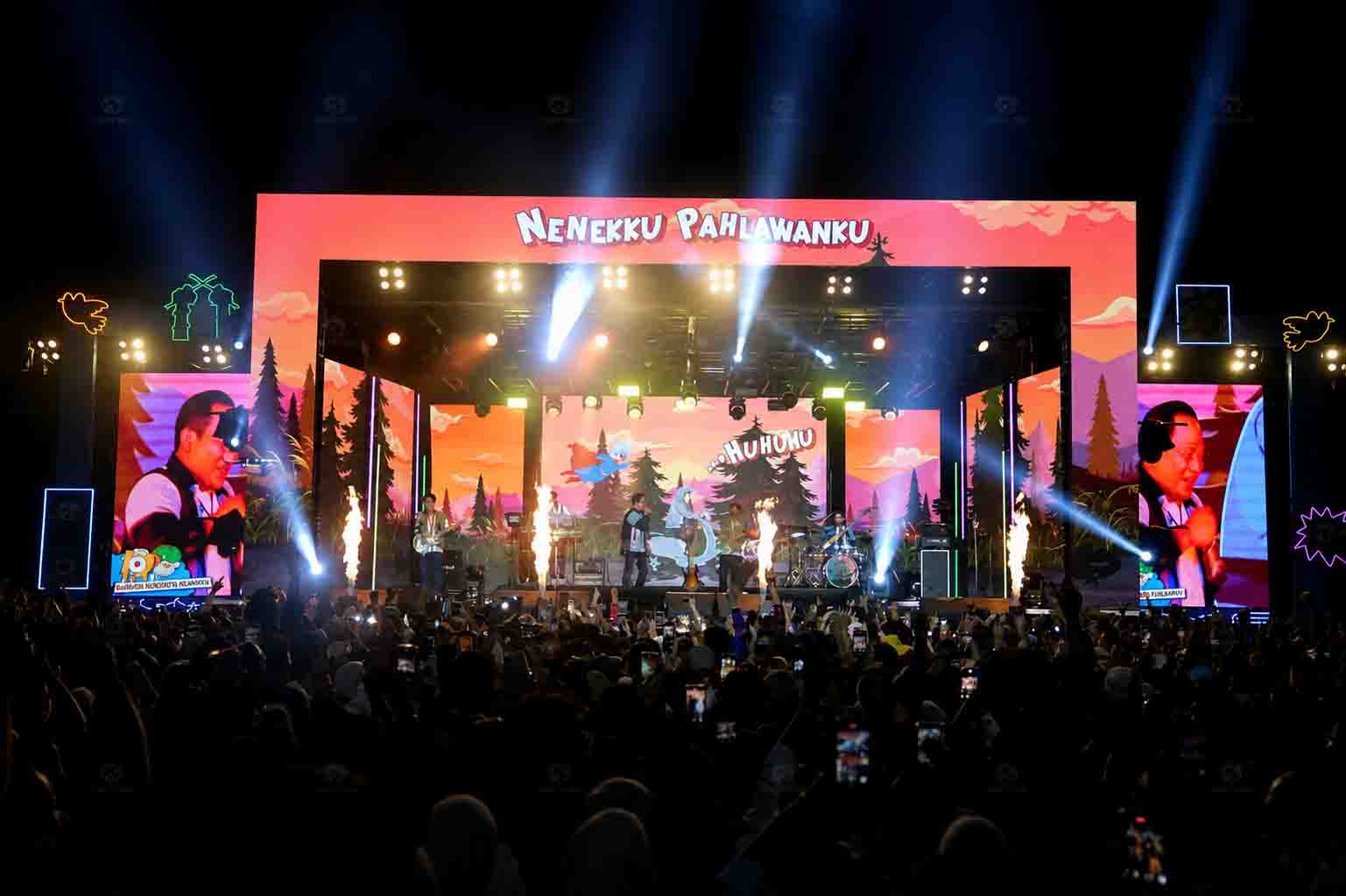
One of the most common misunderstandings is that LED screens, lighting systems, and audio equipment are simply accessories added after the stage is completed.
In reality, production requirements often influence the stage design itself.
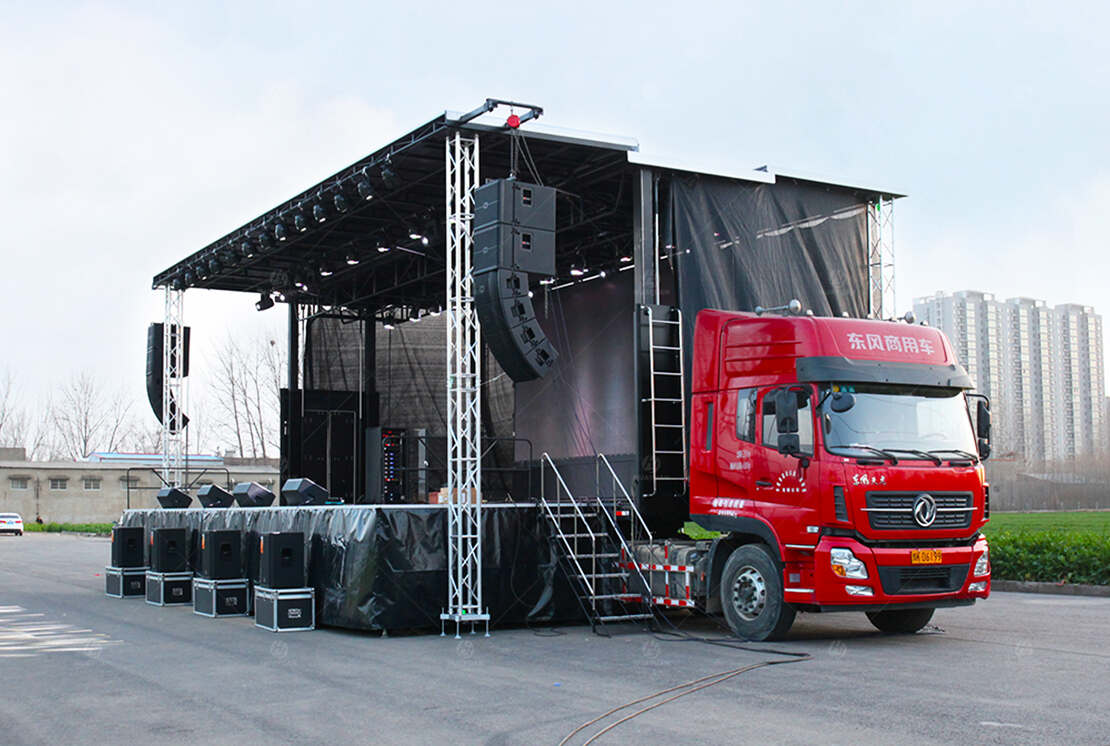
The total electrical demand affects power distribution planning. Lighting and audio systems influence roof loading considerations. Control equipment may require dedicated operating space. Larger production systems can also affect cable routing, maintenance access, and equipment layout.
For this reason, experienced manufacturers usually evaluate the complete production plan before confirming the stage configuration instead of treating each system as an independent option.
Many optional features are not selected because they are standard, but because they solve specific operational needs.
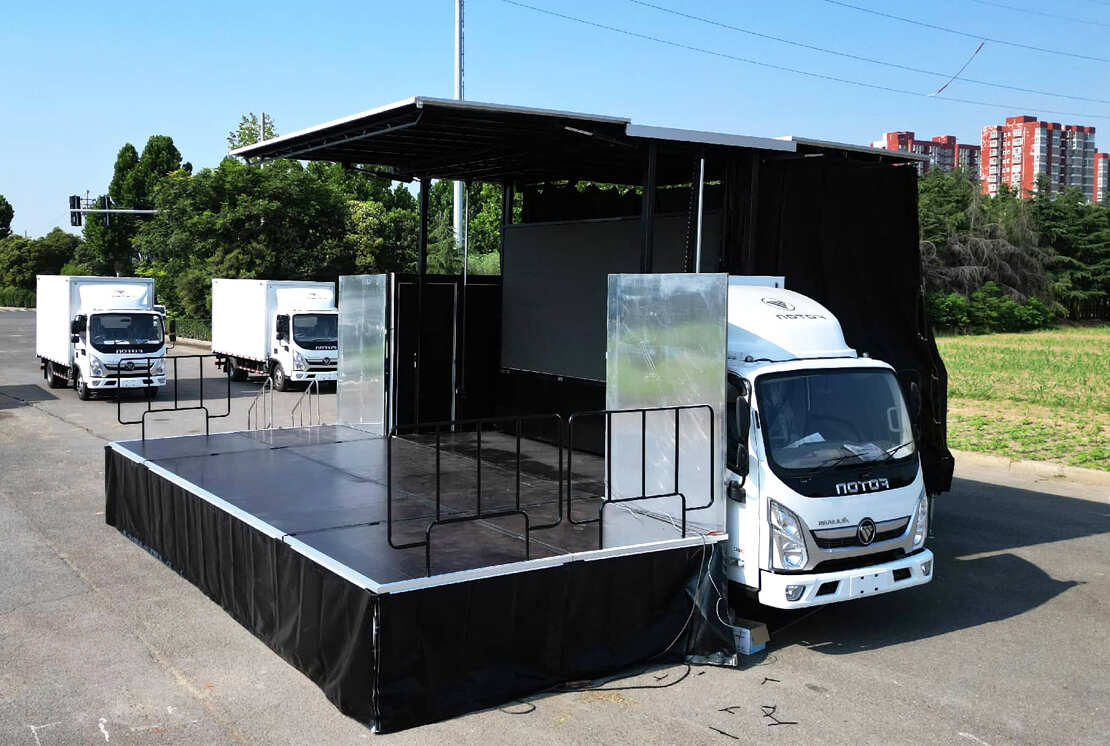
For example, some customers request an integrated generator compartment to simplify power management during touring events, while others prefer using an external generator because grid power is available at most venues.
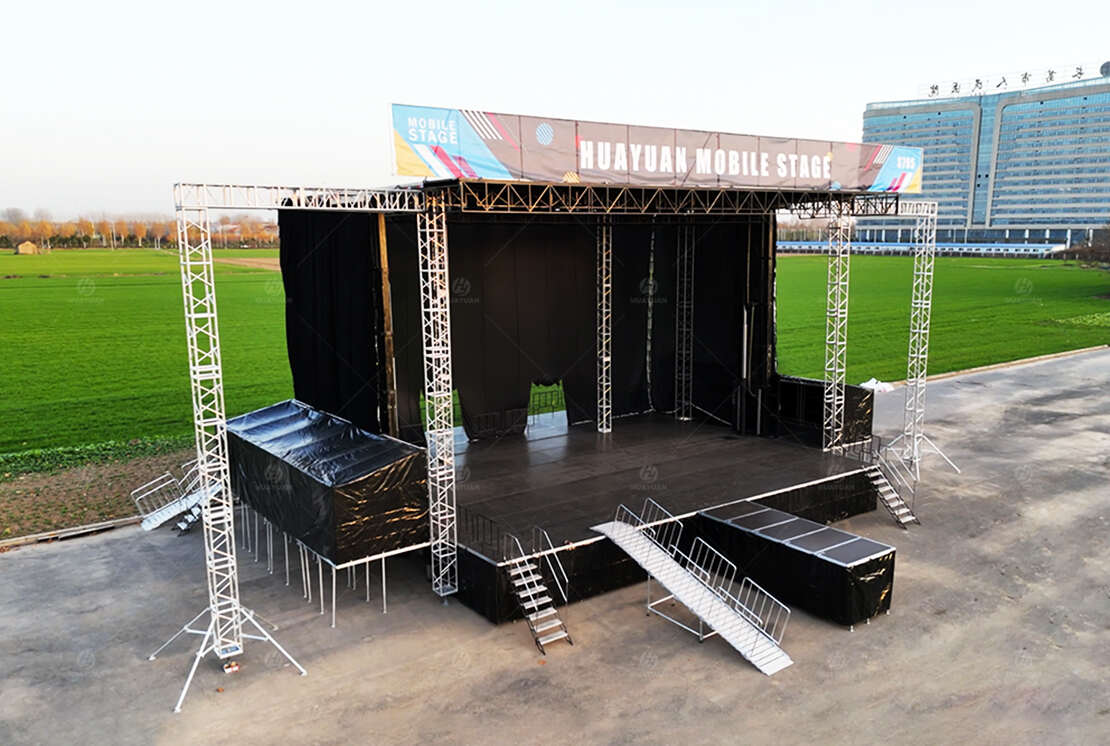
A front stage extension may be valuable for performances that require closer audience interaction, yet it may provide little benefit for projects primarily used as presentation platforms.
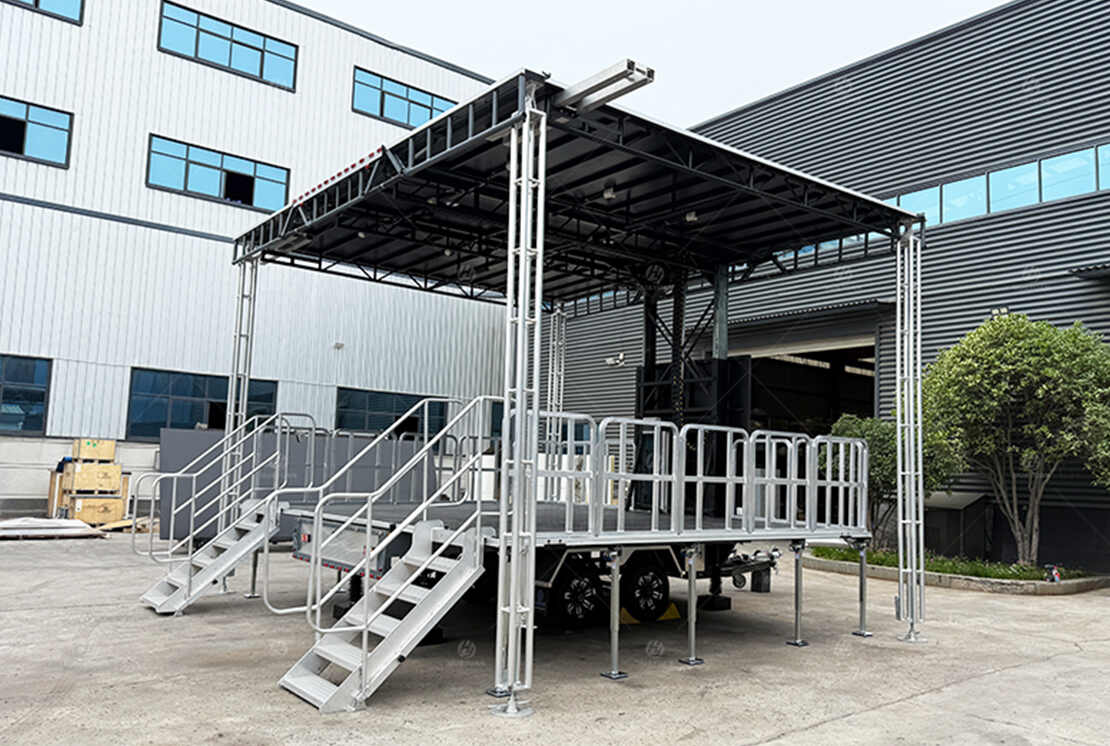
Additional staircase mounting positions are another common customization, allowing operators to relocate access stairs according to venue layout or crowd management requirements.
Rather than asking which options are available, it is often more useful to ask what operational challenge each option is intended to solve.
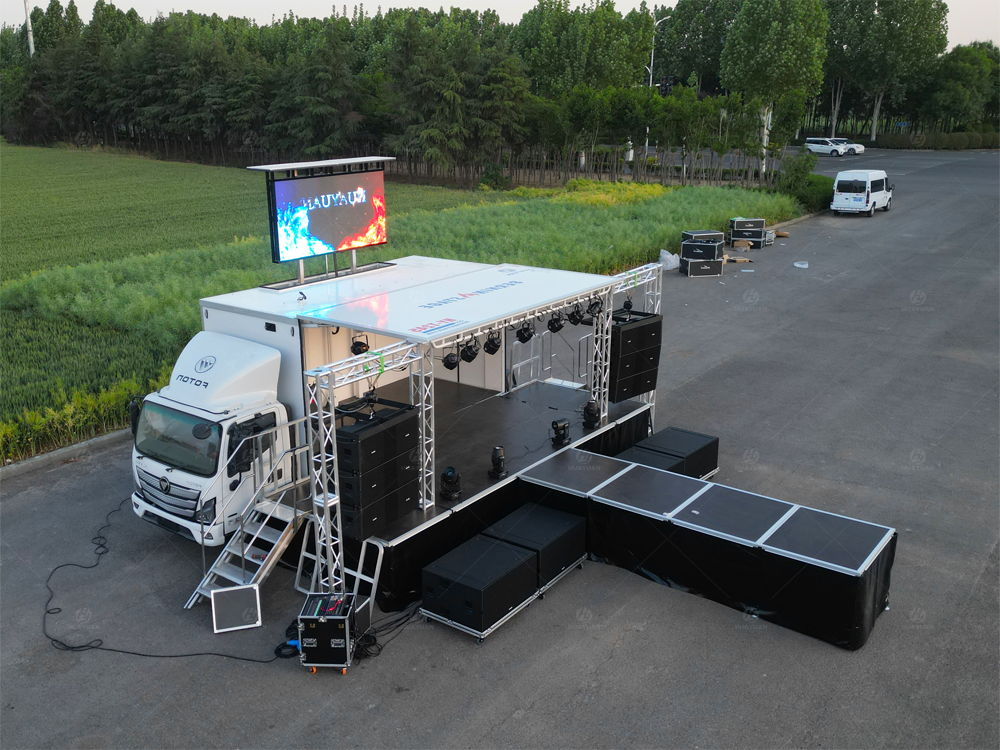
A mobile stage is rarely purchased for a single event.
Many customers expect the same equipment to support concerts, festivals, government activities, church gatherings, commercial promotions, and community events over many years.
Considering future operating requirements during the design stage may reduce later modifications. Reserving installation space, planning electrical capacity, or allowing flexibility for future equipment upgrades can help extend the usefulness of the stage without major structural changes.
Thinking beyond the first project often results in a more practical long-term investment.
There is no universal configuration that fits every mobile stage project.
The most effective solutions are developed through discussions between the customer and the manufacturer, taking into account event objectives, production requirements, transportation conditions, operating methods, and long-term plans.
A well-designed mobile stage is not defined by the number of optional features it includes. It is defined by how well those features support the way the stage will actually be used.
Successful mobile stage projects begin long before production starts.
By clearly defining project requirements and discussing operational needs early, customers and manufacturers can work together to develop a configuration that balances performance, efficiency, flexibility, and long-term value.
Pre: How to Choose the Right Power Solution for Your Mobile Stage Project
Next: How Is International Shipping Arranged for a Mobile Stage Order?