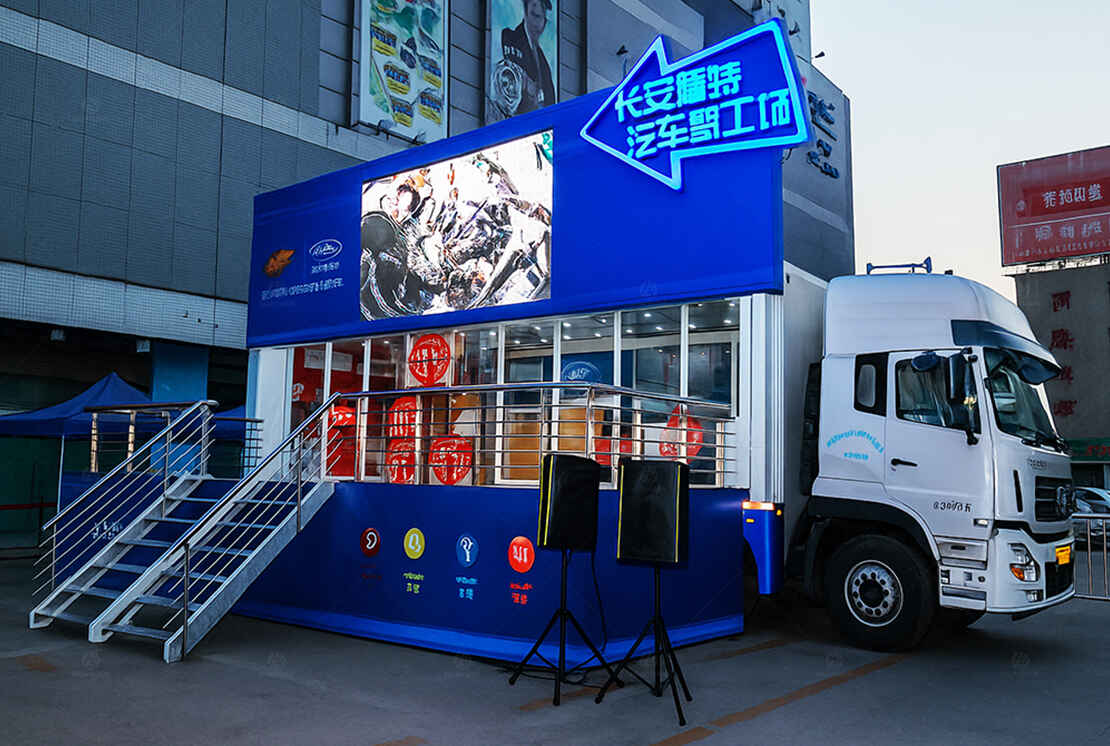
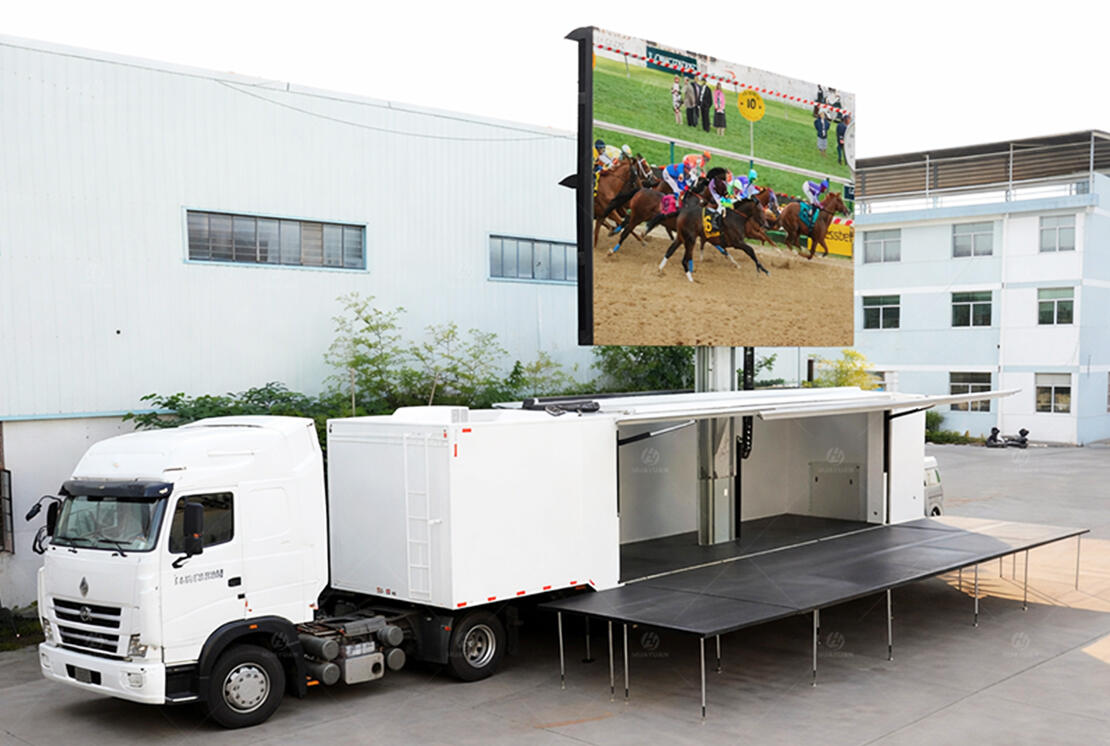
Located in Luanda, Angola, this project supported an urban running event and public athletics program.The client was a sports event operator and large-scale event execution team. For this type of project, the event rhythm is clearly defined. Crowd flow and race route movement happen at the same time.Display and interaction areas must fit into the race schedule, rather than interrupt it. Dismantling also has to follow the event’s fixed time window.
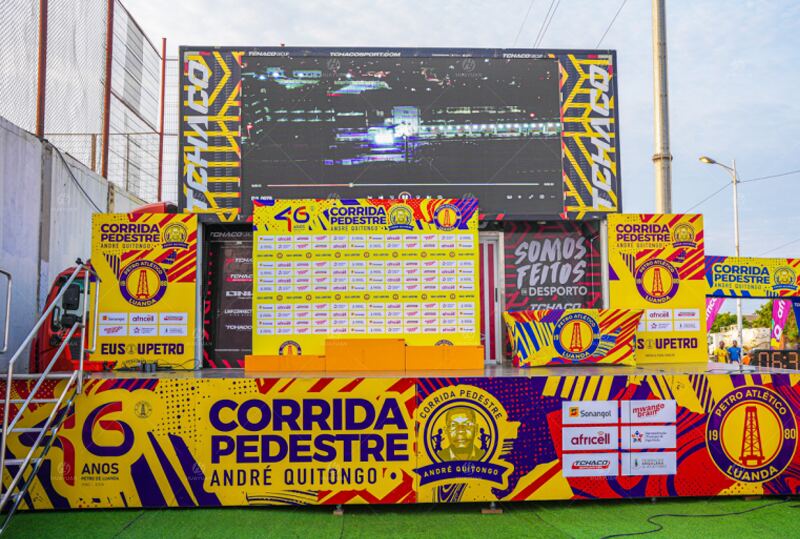
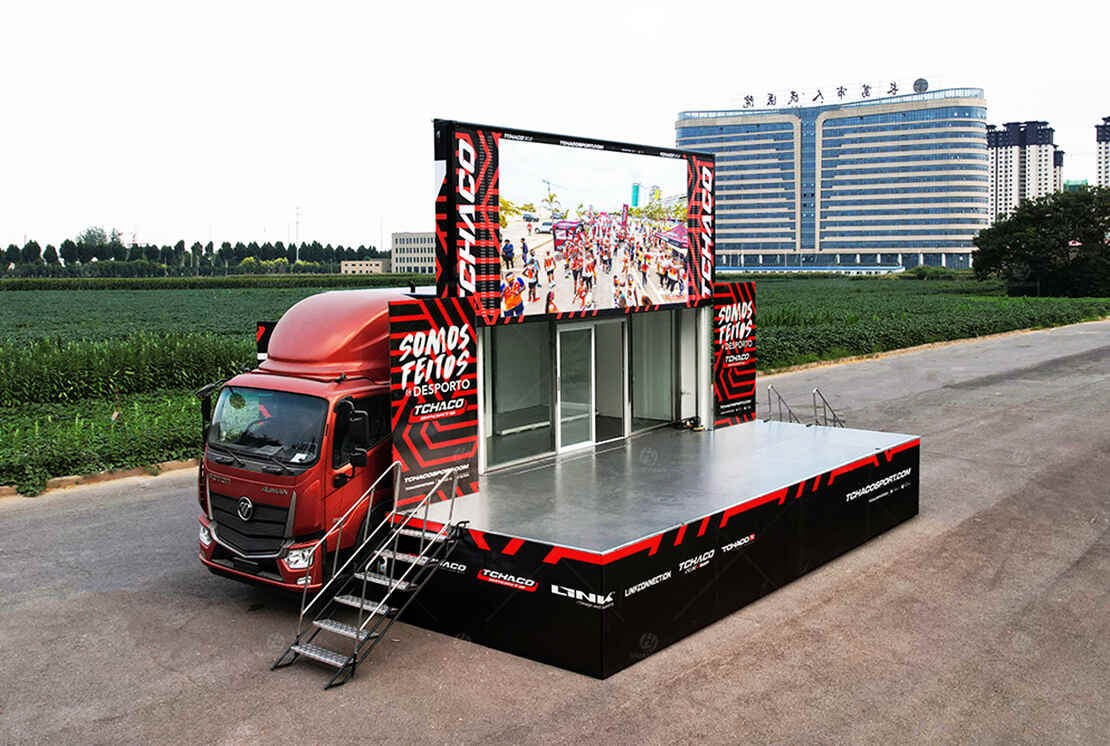
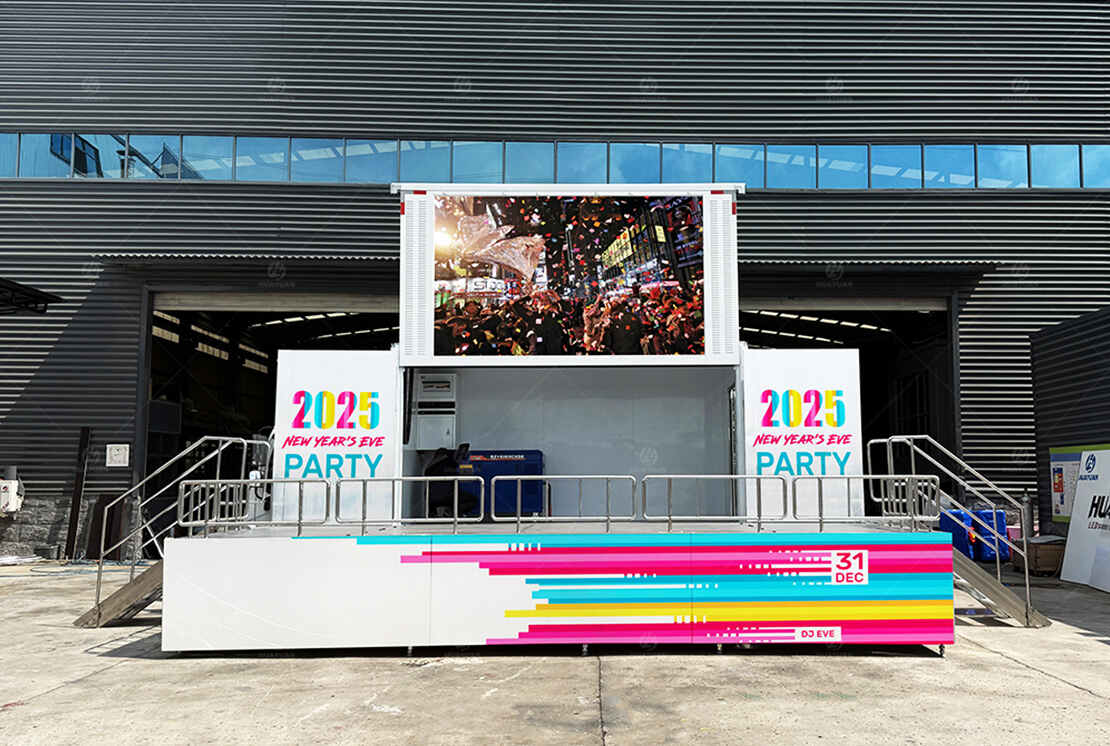
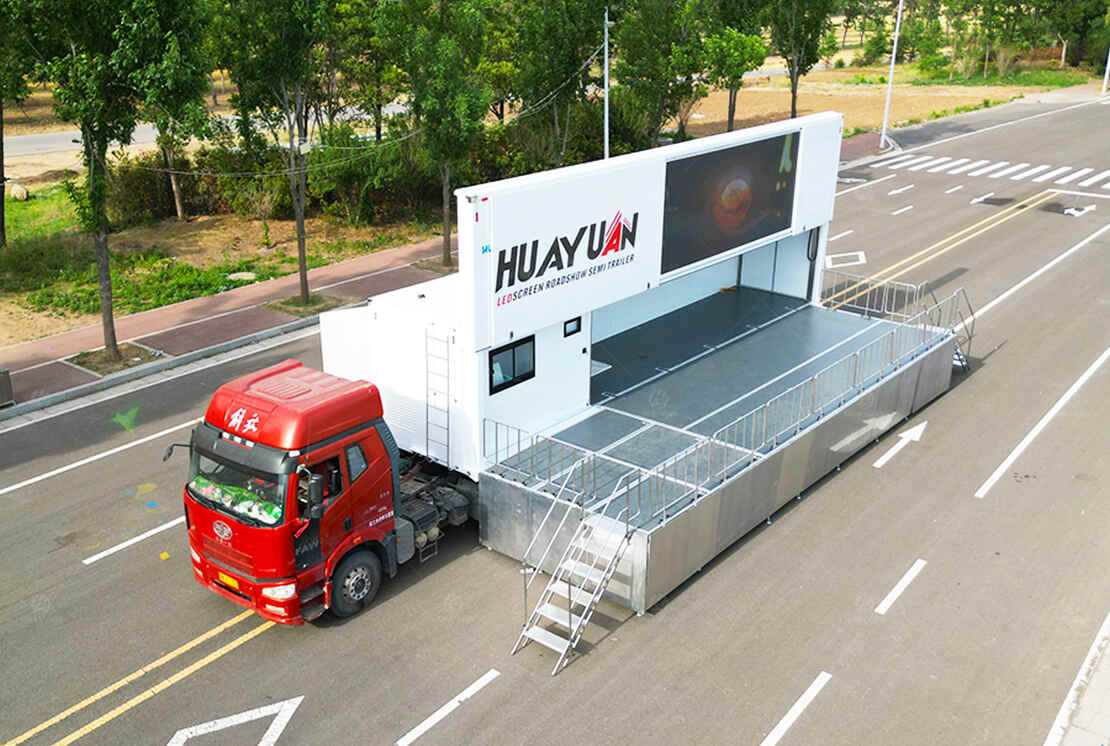
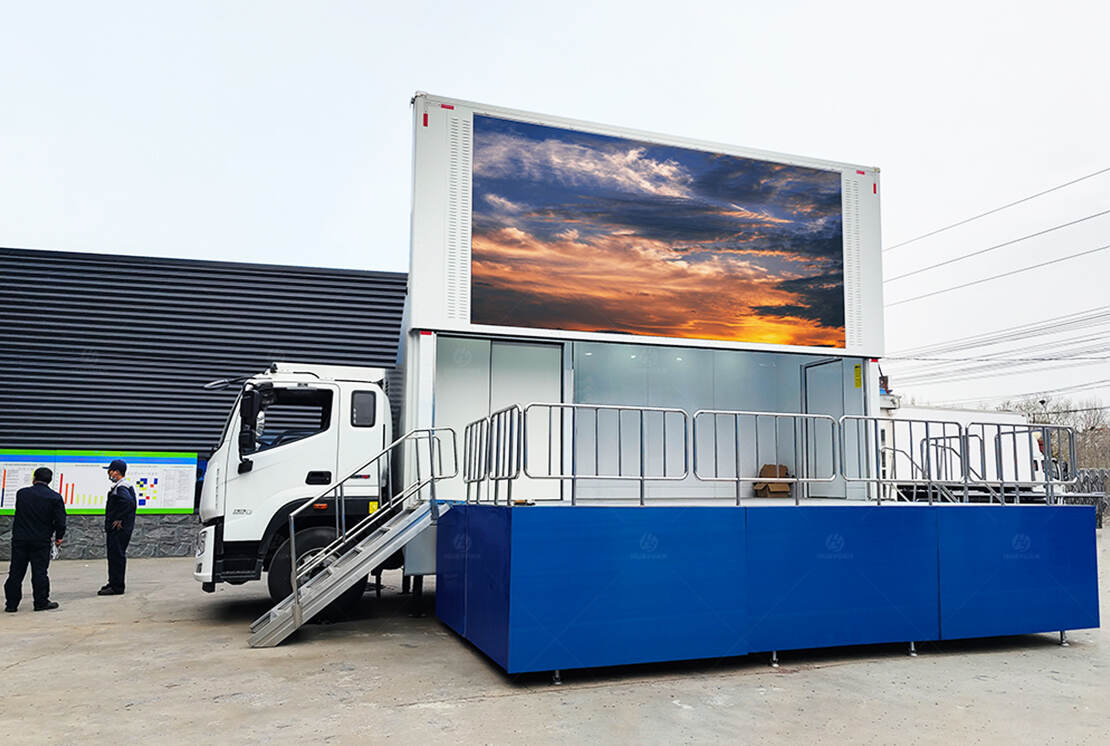
For this project, the client used the LR235 Roadshow Vehicle.The vehicle was equipped with an LED screen for race information and brand messaging. Basic lighting supported early evening use. The onboard audio system covered the interaction and gathering area.Power was supplied by grid power. Deployment was usually organized by 1–2 people, with the vehicle brought into operating status in about 35 minutes.
Event Time Window
Urban running events work within a fixed schedule. Any delay can affect the overall event operation.The execution team had a clear priority: arrive on site and bring the vehicle into use as quickly as possible.After arrival, the operator first aligned the vehicle with the designated service zone. The interaction area was then opened, and the required checks were completed in one sequence.
Flow Compatibility
When crowd movement and race route traffic happen at the same time, the key is to separate staying areas from moving routes.The site team kept the audience interaction area within a manageable zone beside the vehicle, while reserving a continuous passage for runners and staff.
This reduced congestion points and prevented the interaction area from interfering with the race rhythm.
Vehicle-mounted Display and Interaction
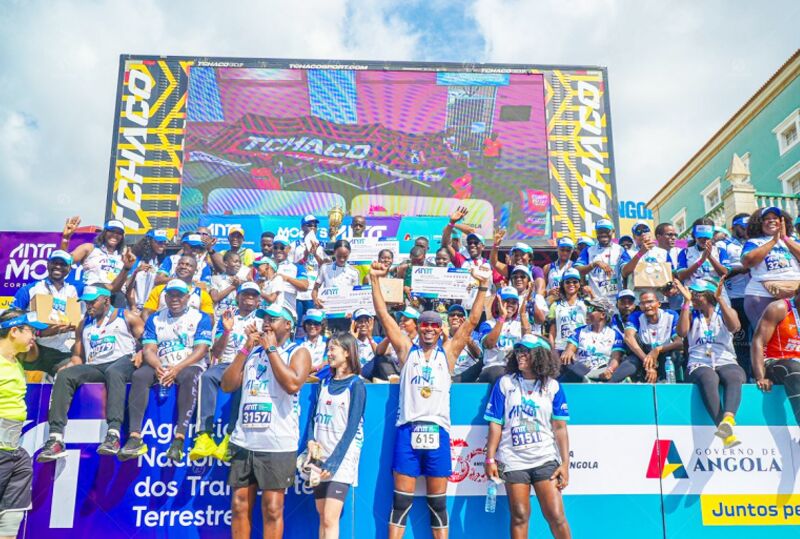
In this scenario, the roadshow vehicle brought display, audio, and interaction functions onto one vehicle platform, reducing the need for external setup.The LED screen was used for event information. Onboard audio supported interaction and gathering announcements. Lighting helped maintain visibility during the early evening period.The vehicle itself became a clear on-site identification point. The organizer did not need to build an additional temporary structure to support display and interaction functions.
Dismantling and Reset
Once the race ended, the interaction area had to be cleared and returned to a passable condition.The grid power connection point and cable routes were kept close to the vehicle as much as possible, avoiding cable crossings near pedestrian paths or the race route edge.Before dismantling was completed, the crew carried out one final check to confirm that no cables were left blocking access routes.In most cases, 1–2 people could complete retraction and reset step by step.
Client Feedback
With LR235, the vehicle served as a clear event hub, reducing the need for additional structures for display, sound, and audience interaction along the route.