After customers receive quotations, the price difference is often caused by more than one factor.There are usually two comparison methods:
Comparing different quotation versions from the same supplier
Comparing quotations from different suppliers
Quick Answer
Same supplier, different price → the scope has most likely changed
Different suppliers, different price → the manufacturing standards are most likely different
Lower price ≠ better value → the scope may be smaller, or the standard may be lower
Before discussing price, first align what you are actually comparing. Only then does the price comparison make sense.
1. Same Supplier: Price Differences Usually Come from Scope Changes
A quotation from the same supplier often changes as the project scope becomes clearer.These price differences are usually concentrated in the following areas:
1) Changes in Stage Area and Extension Scope
Even when the base stage area remains unchanged, changes in the extended stage area can still affect the structural solution and supporting configuration.
The supplier will usually adjust the quotation boundary accordingly.
2) Changes in Whether Systems Are Included
Many projects change direction during the evaluation stage.Sometimes the customer only needs the equipment body. In other cases, the customer wants to include the display system, lighting system, and audio system in the scope.
Once the scope changes, the quotation will naturally change with it.
3) Changes in Power Solution
An external power solution and a generator solution create different site dependency conditions.
Whether the generator is included in the scope is also a common price difference point.
4) Changes in Customization and Additional Requirements
When the customer adds extra requirements for structural form, covering method, exterior branding, or operating conditions, the supplier needs to match the design and manufacturing solution again.
This type of change usually should not continue using the original quotation version.
5) Changes in Delivery and Document Boundaries
Delivery location, acceptance method, and whether the supplier needs to support the preparation and confirmation of local road-use or registration-related documents can all affect the work scope.
The more clearly the scope is written, the more stable the quotation becomes.
2. Different Suppliers: Price Differences Usually Come from Different Manufacturing Systems
When comparing quotations from different suppliers, even if they describe the “same type of product,” it does not mean they are based on the same manufacturing standard.
The price difference often comes from differences in materials, workmanship, testing, and quality control.
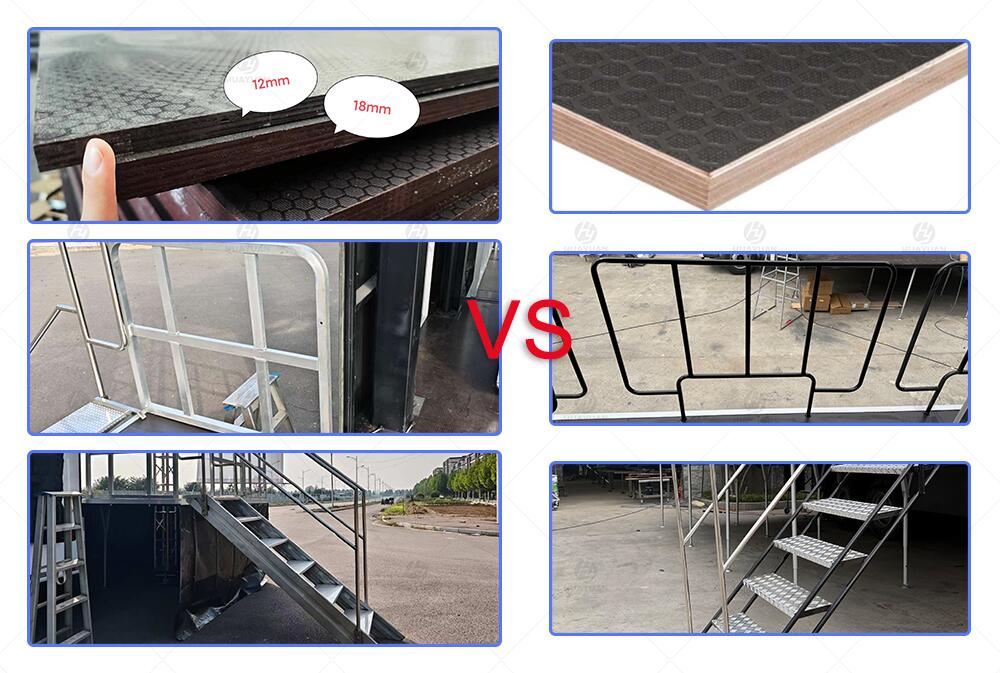
1) Different Material and Structural Standards
Different material grades, different thickness configurations, and different structural safety margins will lead to cost differences.These differences are usually reflected in the quotation or configuration description through material information. The differences often appear in material grade and specification range, material choices for key areas, and the corresponding process and inspection scope.
2) Different Welding and Manufacturing Processes
Different process routes, welding quality control, machining accuracy of key structures, and assembly methods will affect consistency and long-term use condition.
These differences usually determine long-term maintenance pressure and the probability of on-site abnormalities.
3) Different Selection and Integration of Hydraulic and Electrical Systems
Differences in component grade, layout method, protection and fixing method, and complete-machine matching will affect movement consistency and on-site stability.
With the same functional description, the cost difference between different integration levels can be significant.
4) Different Factory Testing and Delivery Documents
Some suppliers carry out more complete movement testing and records, and provide more complete delivery documents.Some suppliers only carry out basic checks. Different testing and record scopes will affect both cost and delivery time.
5) Different After-sales Support Capability and Spare Parts Strategy
Whether the supplier has a clear communication path, and whether they can provide effective spare parts suggestions and document support, will affect your later downtime risk and communication cost.
These differences are difficult to see from the bare price, but they will become more obvious during use.
Start Your Customization
Pre: How to Make a Mobile Stage Quotation More Stable
Next: Five Constraints: How to Choose the Right Mobile Stage Type