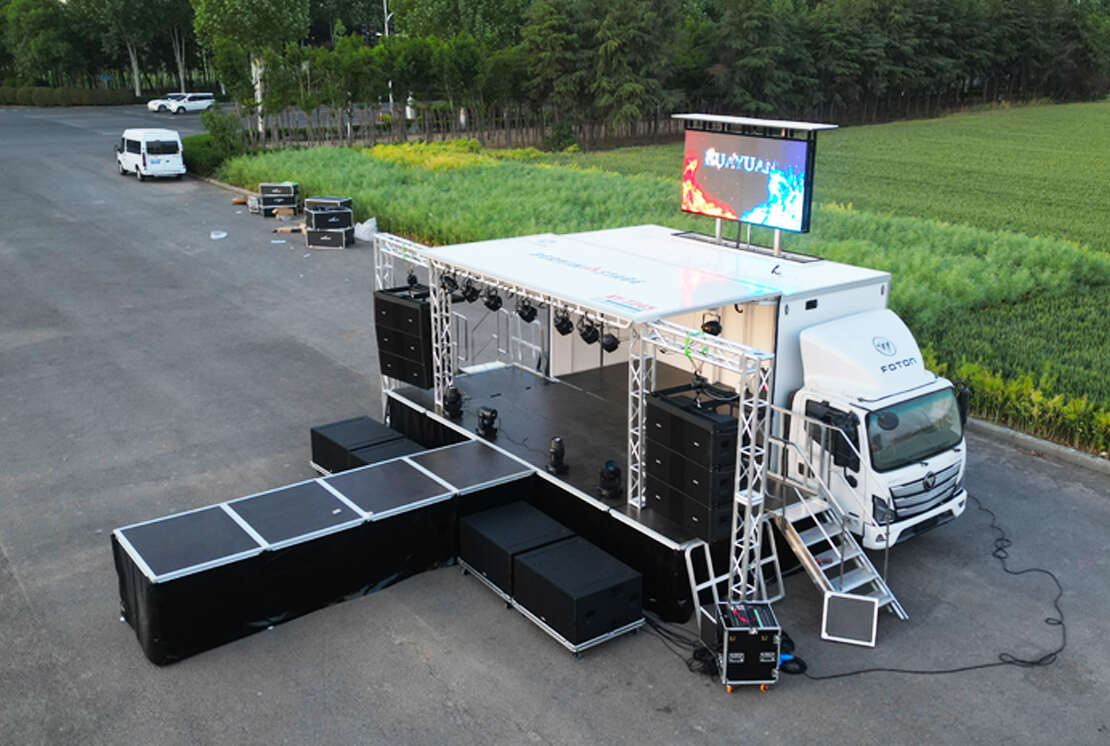
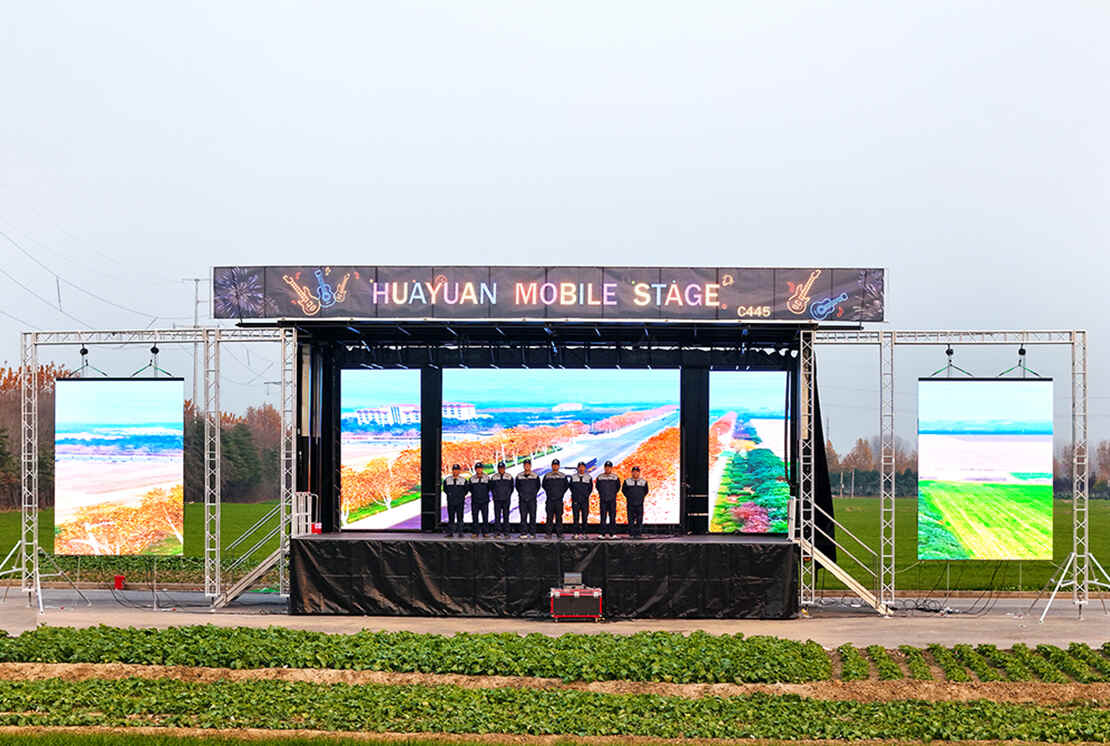
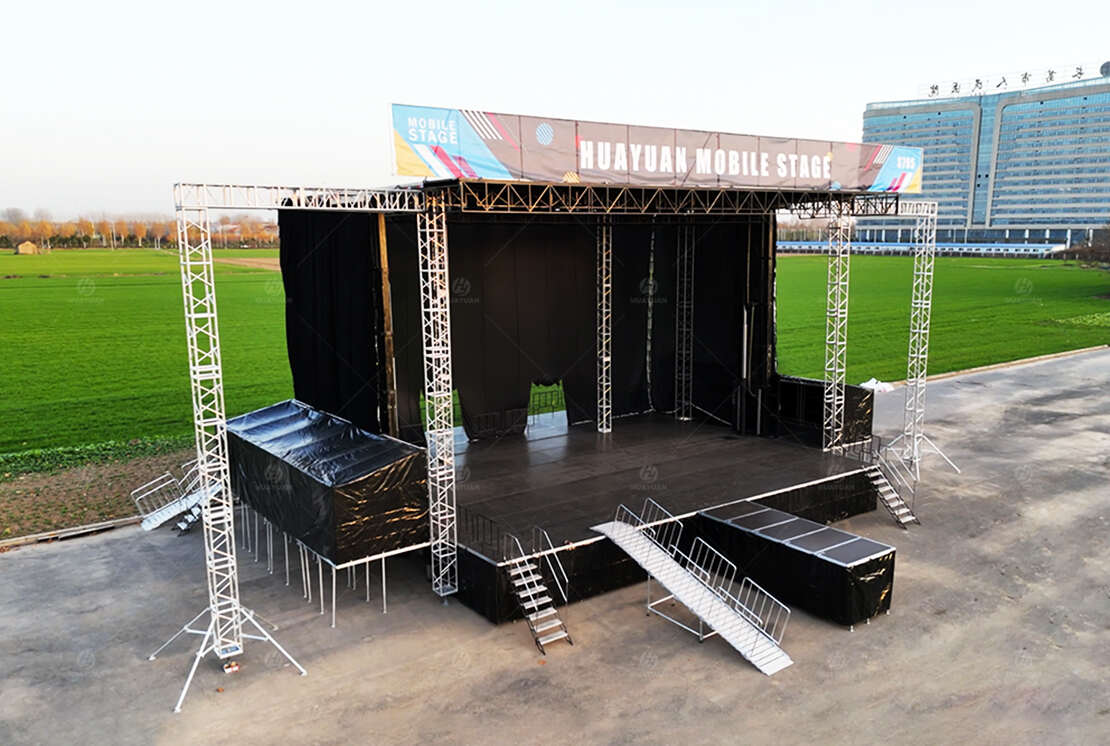
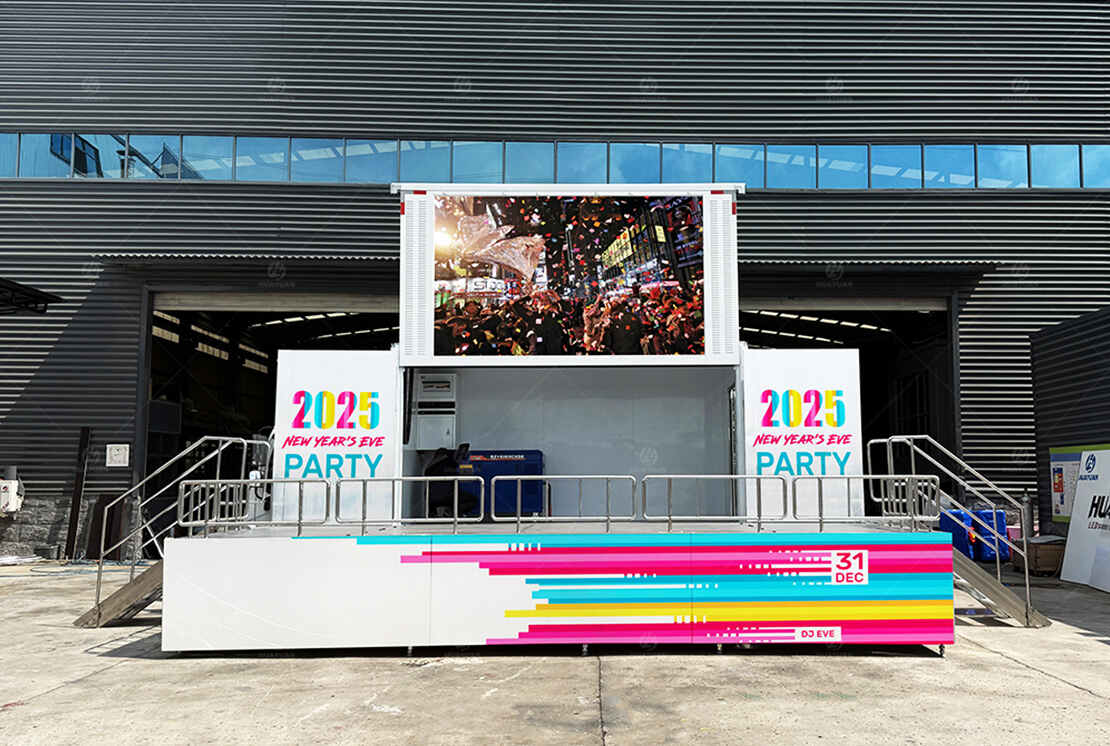
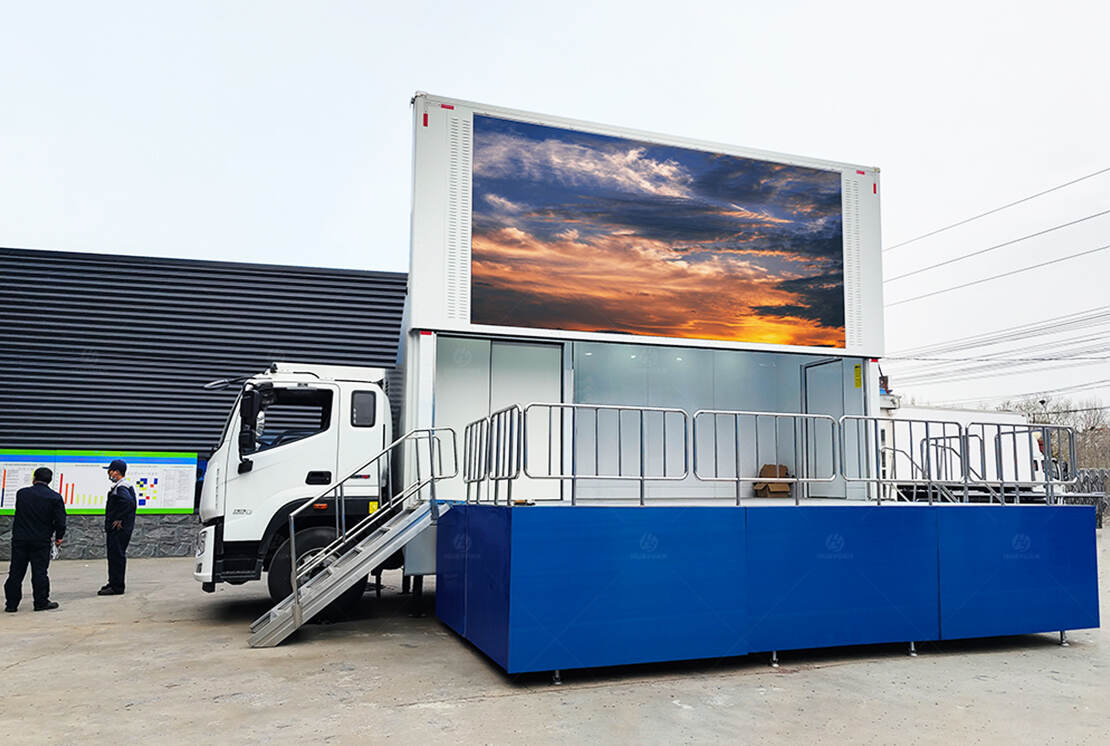
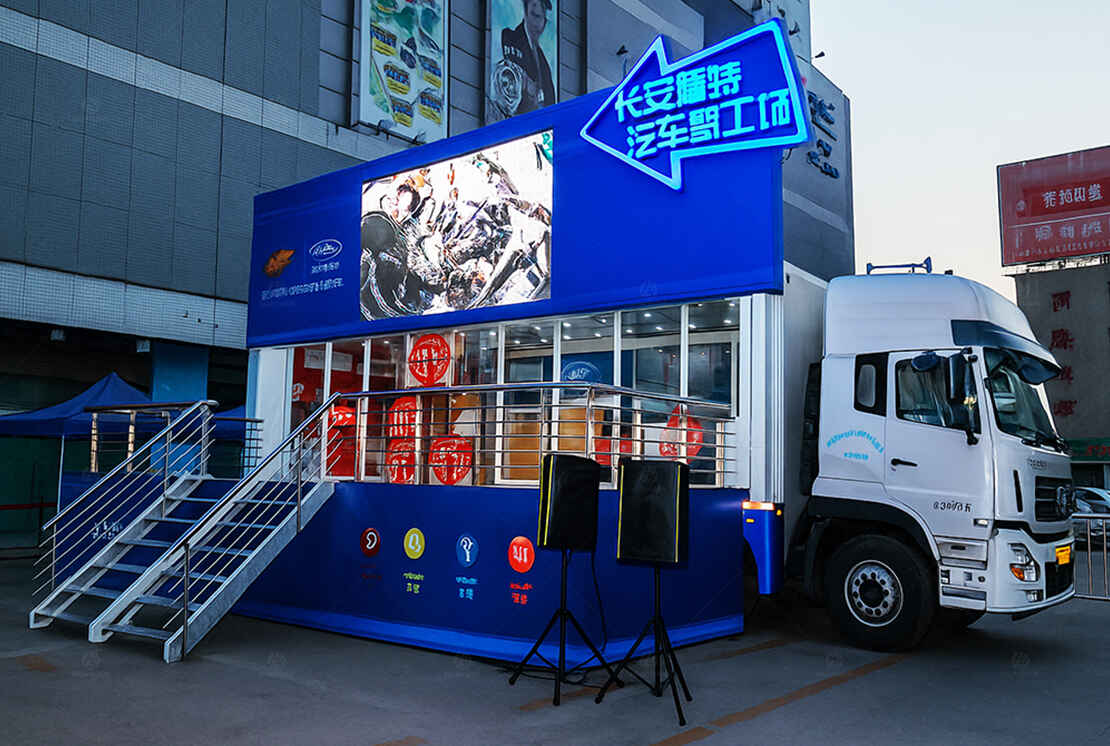
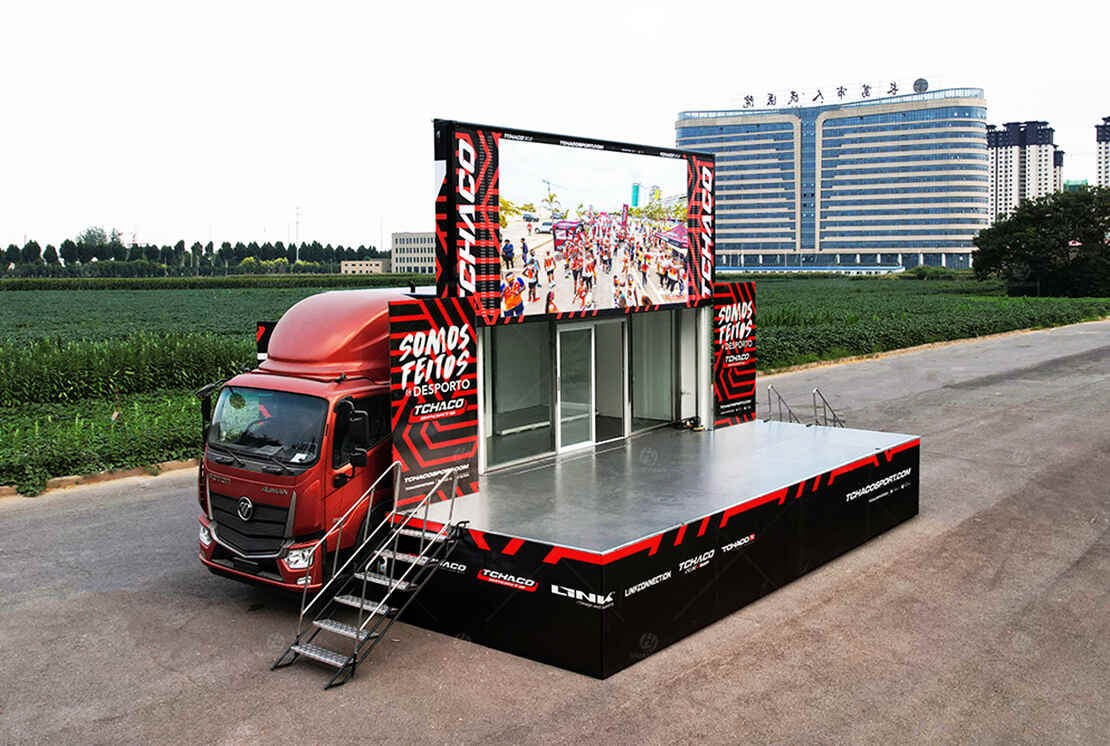
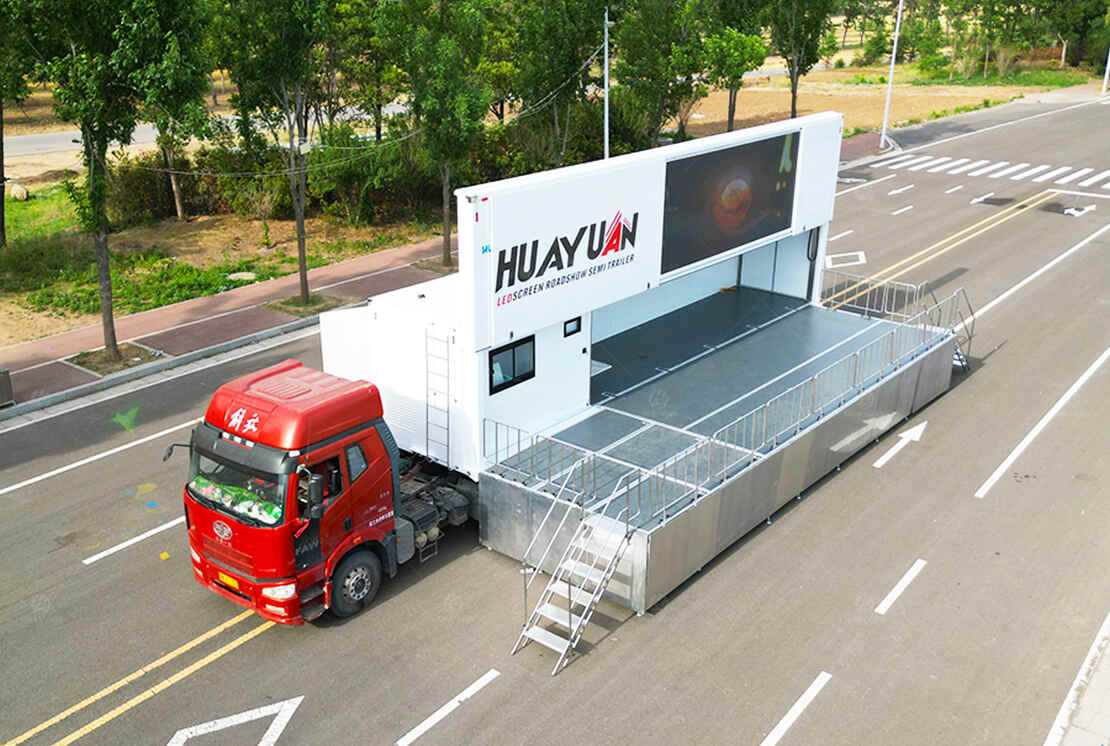
Roadshow trucks and mobile stage trucks can look similar at first. Both may integrate LED displays, audio systems, lighting, power systems and hydraulic structures into a mobile event platform.
The key difference is not simply what equipment is installed. It is what the vehicle is primarily designed to do at the event site.
A roadshow truck is generally organized around visual communication, brand presentation, product display and audience interaction, while a mobile stage truck places greater emphasis on performance space, performers and live event production.
Understanding this difference early helps buyers choose a vehicle structure and configuration that better matches the actual project.
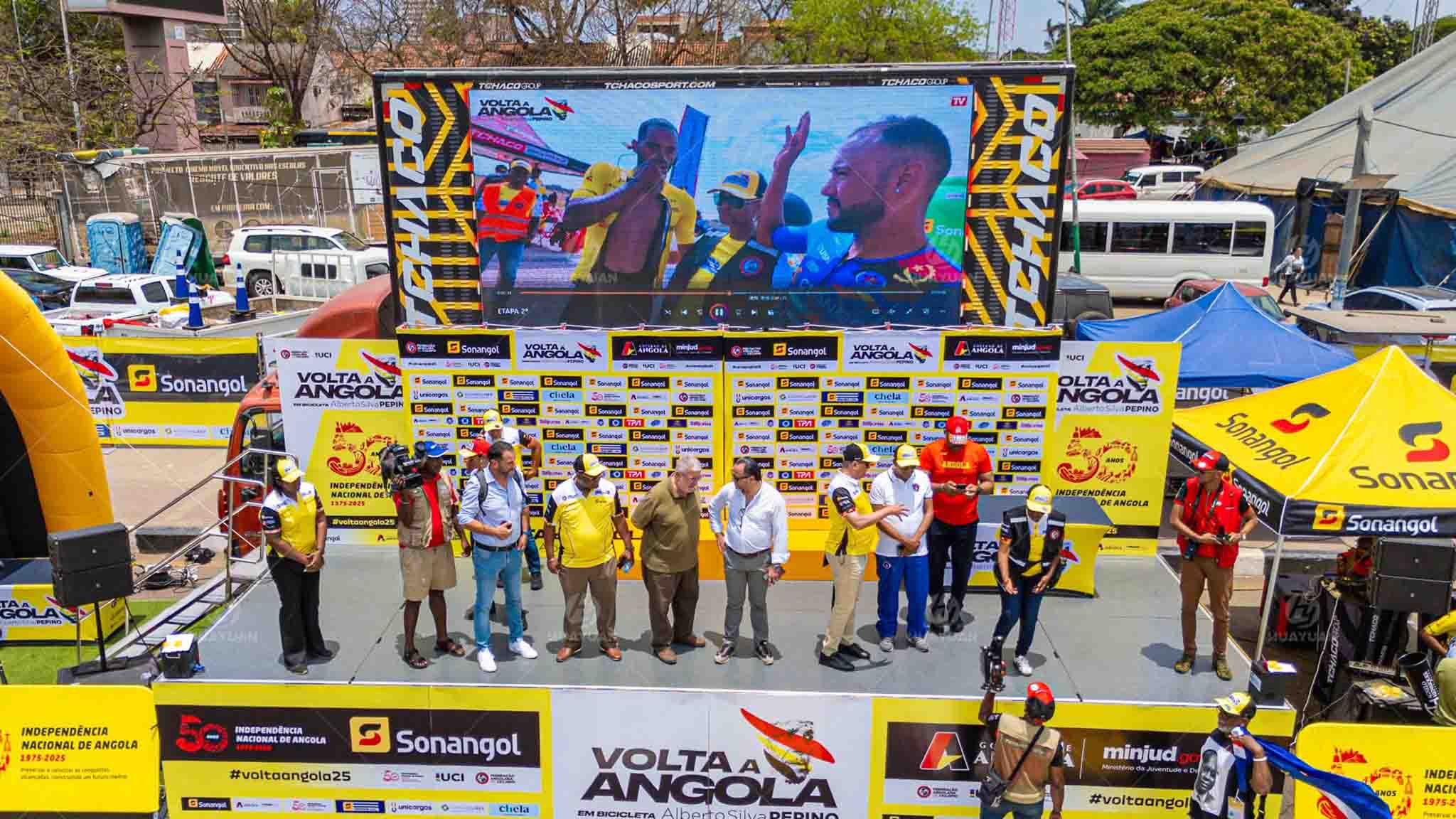
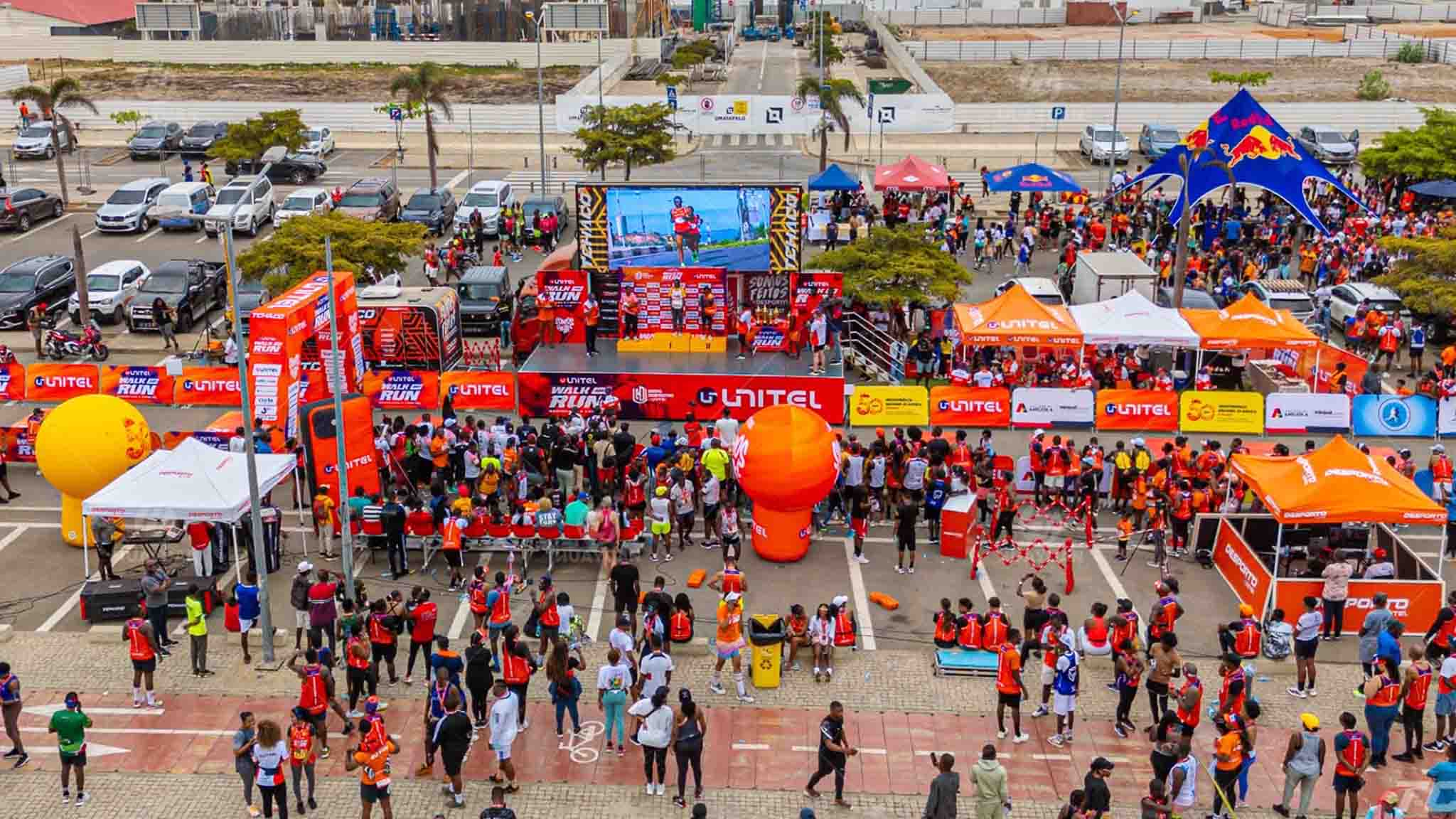
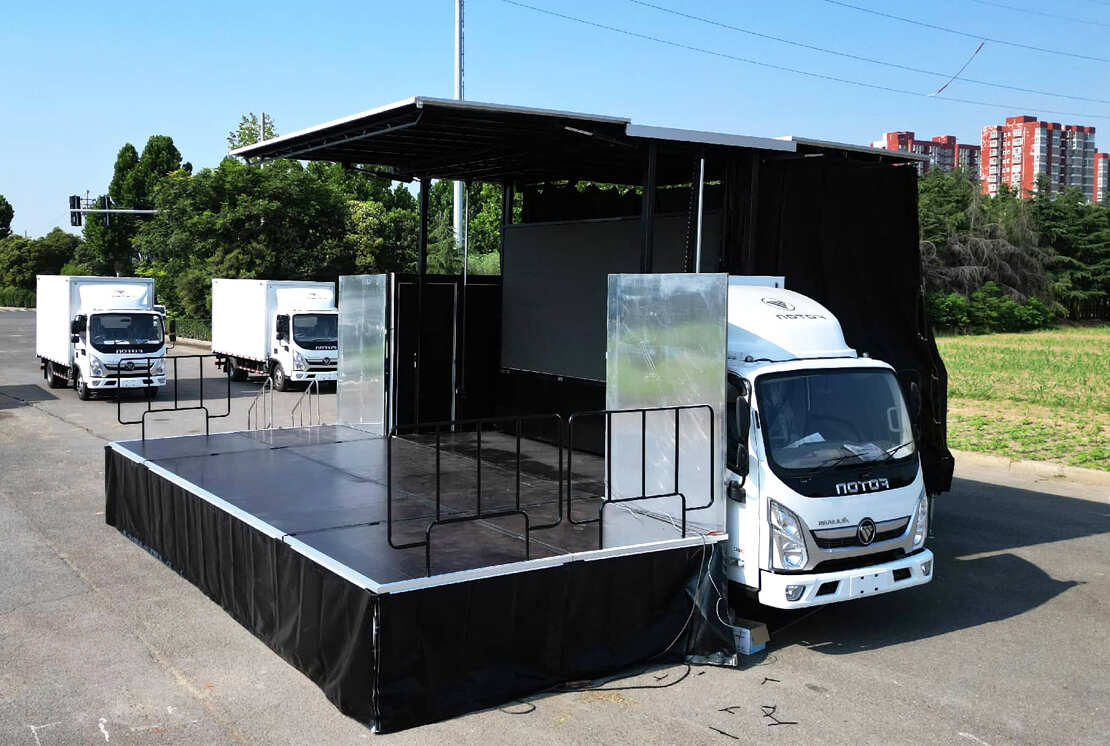
A roadshow truck is typically used when the vehicle itself becomes part of a promotional, display or communication campaign. Its layout may be organized around a large LED screen, presentation platform, branded exterior, product display area or interactive space.
Typical applications include brand roadshows, product launches, mobile marketing campaigns, public communication and multi-location promotional events.
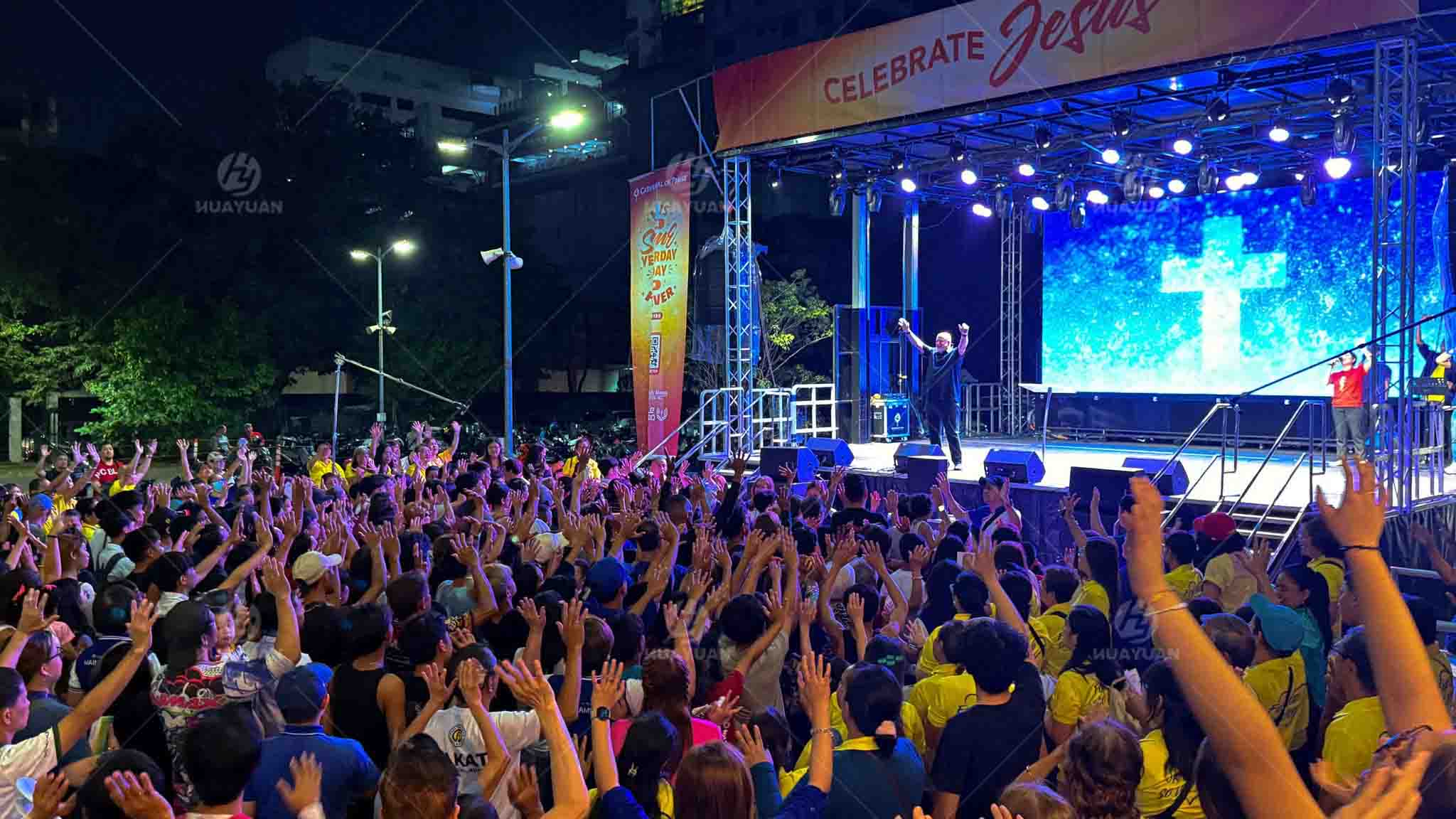
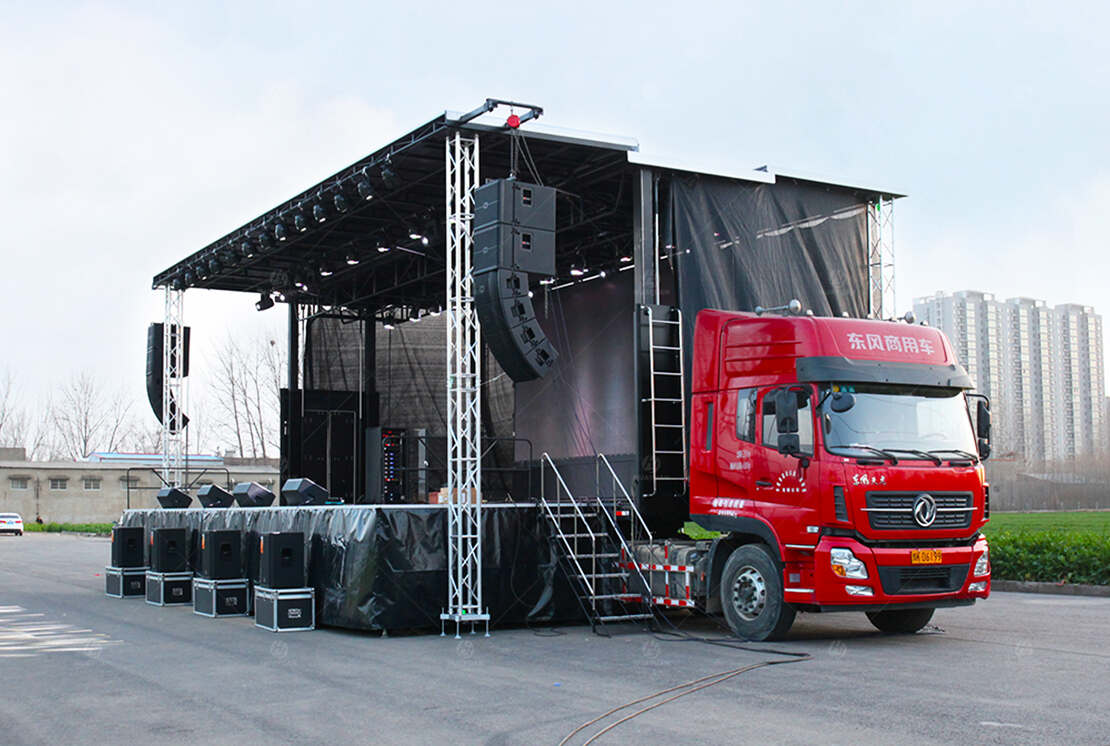
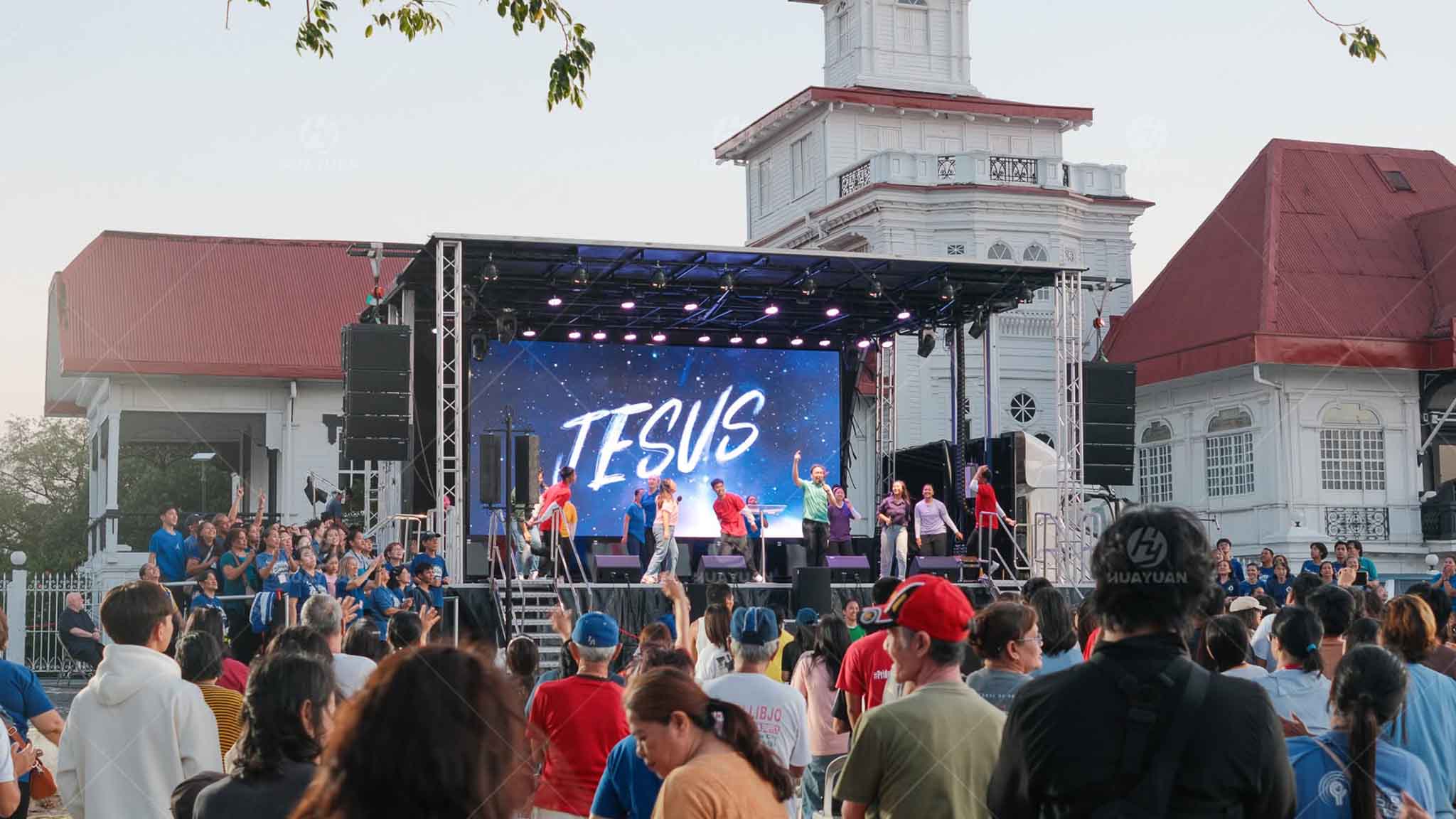
A mobile stage truck, by comparison, starts with the performance area. After deployment, the vehicle needs to provide usable stage space for performers while supporting lighting, professional audio, LED displays and other equipment required for live event production.
Typical applications include concerts, festivals, worship programs, community performances and touring shows.
The boundary is not absolute. A roadshow truck can have a stage, and a mobile stage truck can carry a large LED screen.
The better question is:Which function determines the overall vehicle layout and operating workflow?
| Factor | Roadshow Truck | Mobile Stage Truck |
|---|---|---|
| Primary Purpose | Brand display & communication | Performance & event production |
| Main Working Area | Display / presentation area | Performance stage |
| LED Display | Often a central communication system | Usually supports the stage/event |
| Audio & Lighting | Supports presentation and communication | More performance-oriented |
| Product Display | Strong emphasis | Usually secondary |
| Performer Space | Secondary | Primary |
| Multi-location Campaigns | Very suitable | Suitable depending on project |
| Typical Applications | Roadshows, launches, promotions, public communication | Concerts, festivals, worship, community events |
Choose a roadshow truck when display, communication or brand interaction is the central task.
For multi-city promotional campaigns, the vehicle can combine an LED display, branding, presentation space, audio and other systems into one mobile platform. This allows a consistent presentation format to move between different event locations.
Roadshow trucks are also suitable for product launches and demonstrations where visitors need to see a product, watch visual content and interact with staff. In these projects, the relationship between the display screen, presentation area and audience is often more important than maximizing performer space.
For public communication, education or outreach projects, the same platform can function as a mobile information and presentation point.
Link roadshow vehicle solutions
A mobile stage truck is generally the better starting point when live performance is the core of the event.
Concerts, festivals, worship programs and community events require usable stage space for performers as well as room for stage equipment. Lighting, line-array audio, LED displays, stairs, guardrails and other supporting systems may also need to operate as part of the complete stage environment.
The amount of performance equipment can therefore influence the vehicle structure significantly.
A project involving professional stage lighting, larger audio systems and multiple performers requires a different layout from a vehicle primarily designed around an LED display and promotional communication.
Before deciding between the two vehicle types, start with the actual operating requirements.
1. What is the main purpose of the event?
If the priority is brand communication, product presentation or audience interaction, start with a roadshow vehicle.
If live performance is the priority, start with a mobile stage truck.
2. How much usable space is required?
Consider the deployed working area rather than transport dimensions alone.
A promotional project may need a compact presentation platform with a large visual display, while a performance project may require substantially more clear stage space.
3. What equipment needs to travel with the vehicle?
Confirm requirements for LED displays, lighting, audio, generators, control equipment, technical rooms and other systems before the vehicle layout is finalized.
4. How frequently will the project move?
For frequent multi-city roadshows, transportation and repeatable deployment become especially important. For longer performance events, stage area and equipment capacity may carry more weight.
5. What are the site and transport conditions?
Road regulations, site access, deployment space, ground conditions, available power and the operating team can all influence the final configuration.
Yes. Many projects require both display and performance functions.
A brand campaign may need a large LED screen and presentation platform while also including music performances at certain stops. A mobile stage may require a large LED backdrop for sponsors, video content or public information.
In these cases, the distinction comes down to priority.
If visual communication, product presentation and audience interaction determine the vehicle layout, a roadshow vehicle is usually the more logical starting point.
If performer space, stage production and performance equipment determine the layout, a mobile stage truck is generally more appropriate.
Where both functions are important, the final configuration can be developed around a combined operating workflow.
Choosing between a roadshow truck and a mobile stage truck is only the first step.
The final vehicle should also be planned according to the required display or stage dimensions, LED system, lighting and audio equipment, power supply, transport conditions, deployment space and local operating requirements.
For projects still at an early stage, start by defining:
event purpose + expected audience + required working area + equipment list
From there, the vehicle type, dimensions and supporting systems can be matched to the actual project.
The goal is not simply to choose between two product names. It is to select a mobile event platform whose structure matches what the project needs to accomplish on site.