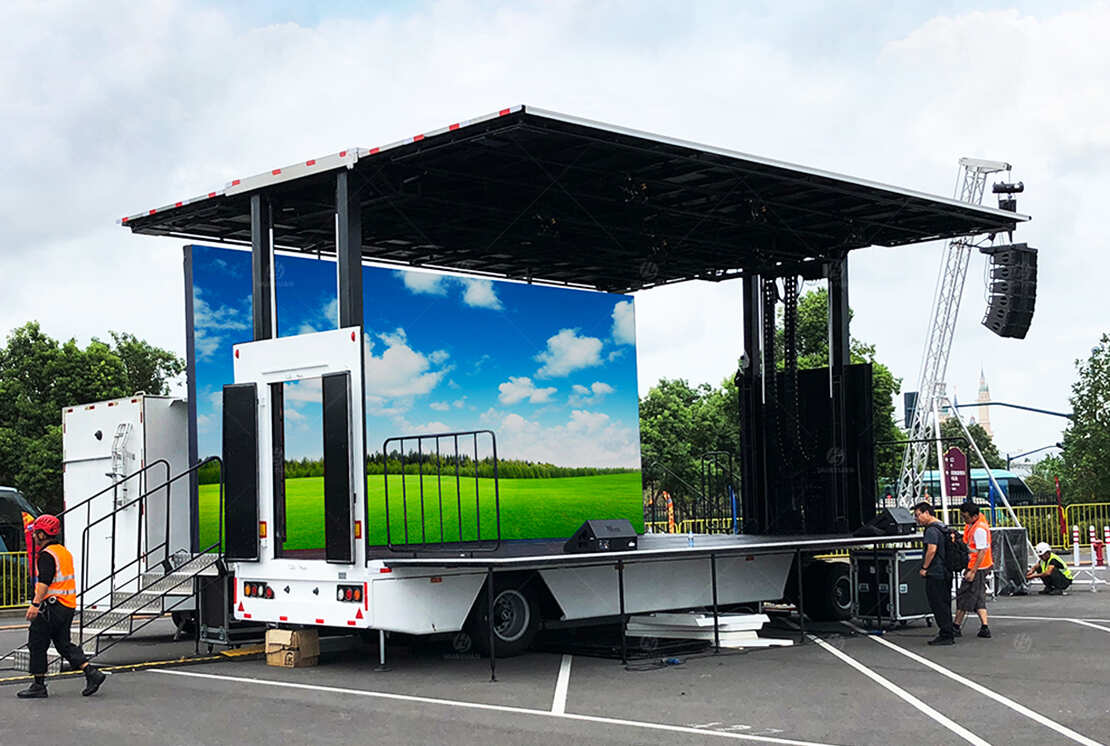
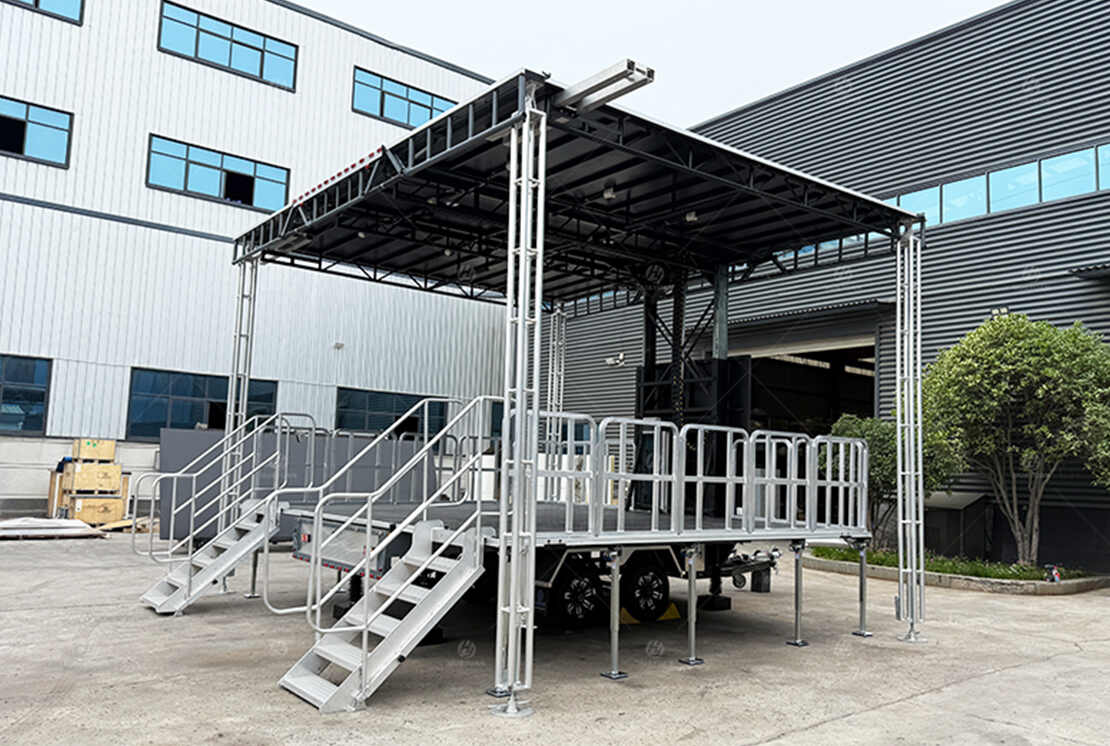
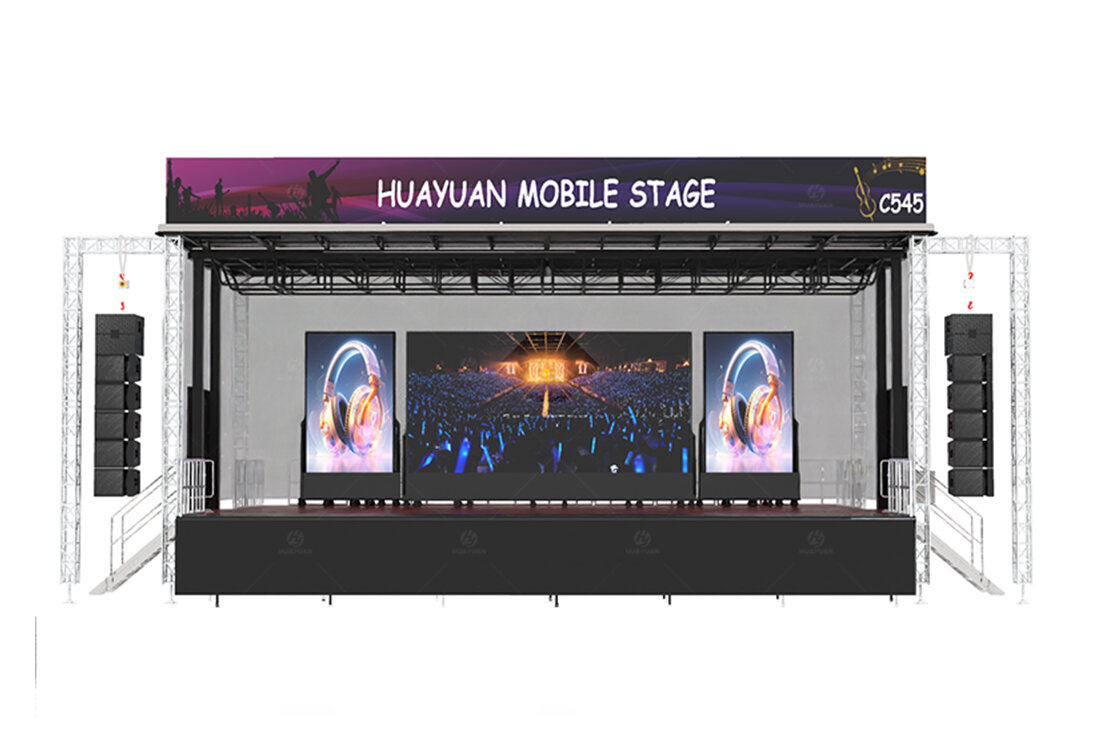
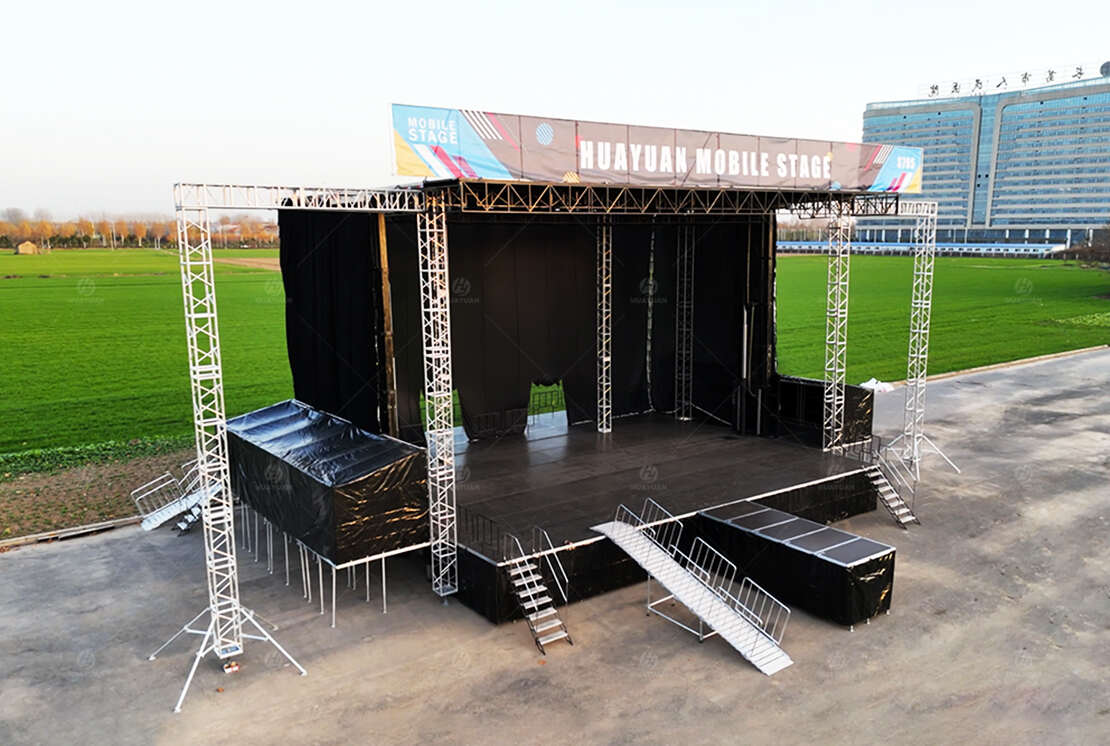
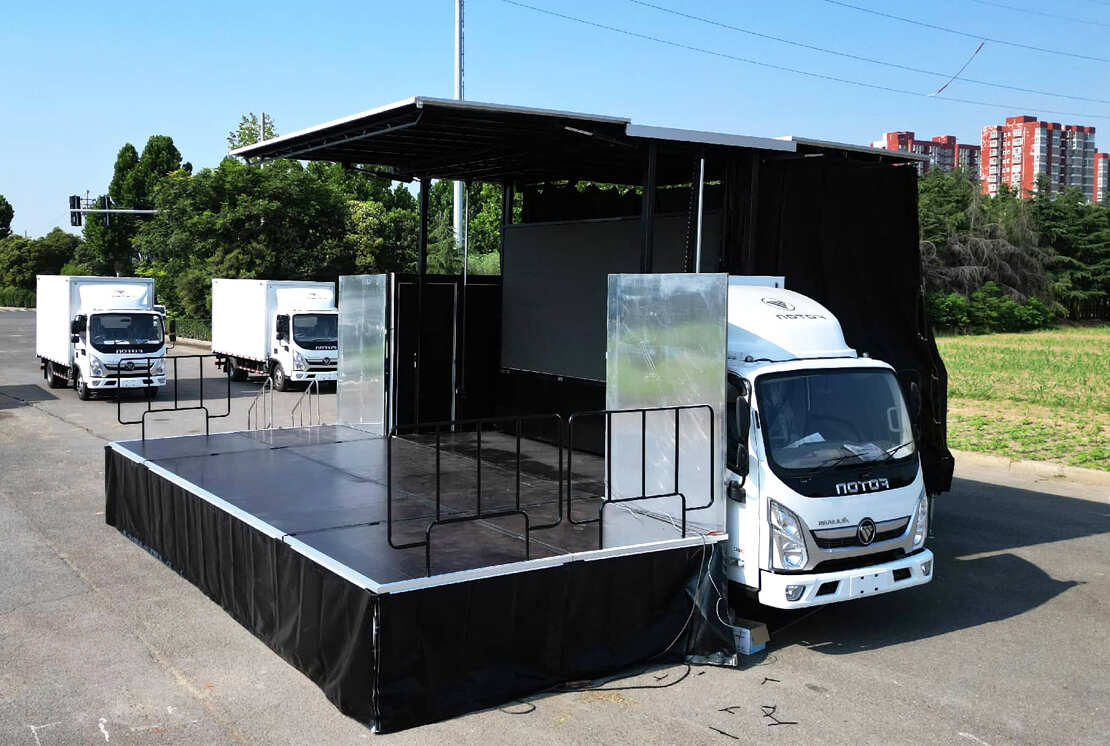
In mobile stage projects, setup time is often underestimated.Many teams blame the error on whether the equipment is “fast enough.” In many cases, however, the real difference comes from site conditions and organizational variables.
The same equipment can take very different amounts of time under different site conditions, power supply arrangements, and crew organization.To estimate setup time more accurately, the key is not to give one fixed number of minutes. The key is to define the influencing factors in advance.
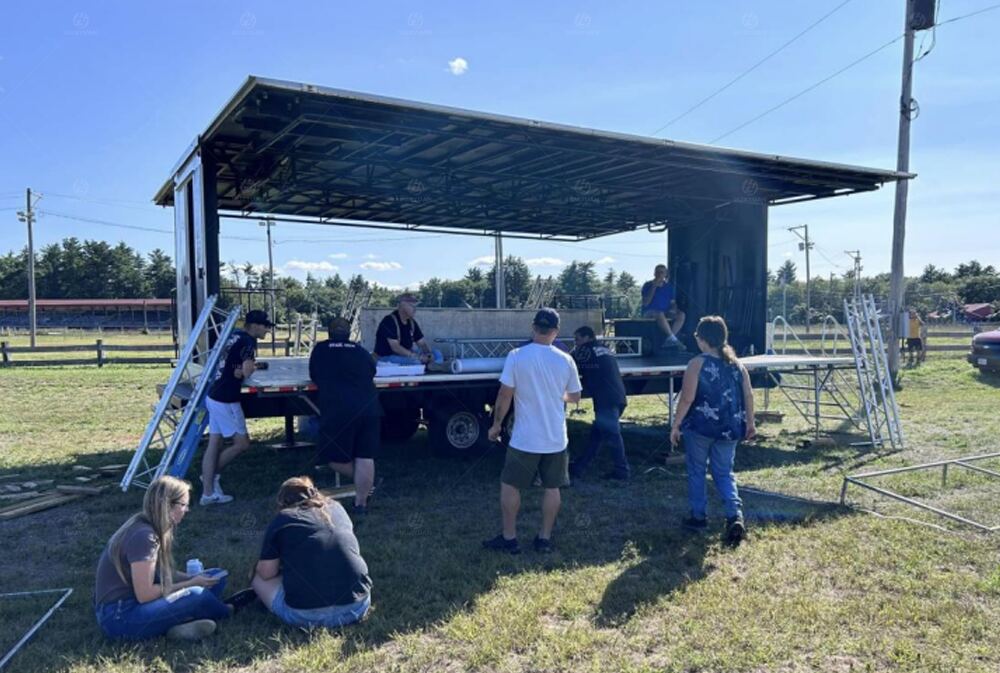
7 Common Sources of Setup Time Errors
1) Site Entry and Positioning Conditions
The entrance, turning points, slopes, height limits, and parking position all affect positioning efficiency.If the vehicle needs to make even one extra maneuver, every following step may be delayed.
2) Ground Conditions in the Deployment Area
Uneven ground, soft ground, or obvious slopes can increase the time needed for adjustment and rechecking.This time is often not included in the first estimate.
3) Crew Size and Task Division
More people do not always mean faster setup.If the task division is unclear, different steps may end up waiting for each other.With clear task division, even a smaller crew can maintain a stable workflow.
4) System Complexity
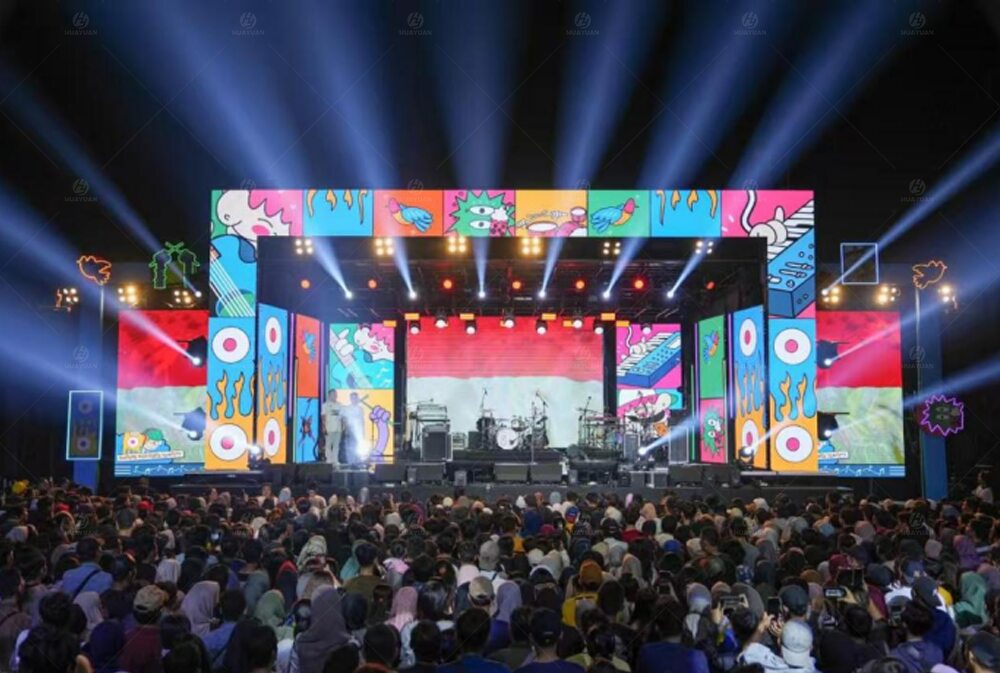
Whether the project includes a display system, lighting system, and audio system will change the on-site workflow.The more systems are included, the more checkpoints there are. Time variation will also become larger.
5) Power Supply Readiness
Whether external power is stable and whether the distribution position is clear will affect the overall schedule.Looking for power on site or changing cable routes temporarily is often one of the biggest variables.
6) Weather and Working Conditions
Rain, strong wind, and low temperature can change the deployment rhythm and increase rechecking time.The team usually needs to make more careful on-site confirmations.
7) On-site Rechecking and Communication Cost
On site, safety checks, boundary confirmation, and coordination are often required.If new requirements are raised only after arrival, time will be consumed by discussion and rework.
A More Stable Estimation Method: Classify the Project by Variable Level
You can divide the project into three levels based on variable intensity:
Low variable:Positioning conditions are clear, power supply is confirmed, the system scope is simple, and crew task division is stable.
Medium variable:Some site restrictions or power uncertainties exist, or the system scope needs to be confirmed on site.
High variable:Access and positioning are uncertain, power conditions are complex, the system scope is larger, and the setup window is tight.
Before estimating time, first confirm whether site entry and positioning, power supply conditions, system scope, and crew task division are clear.The more complete the information is, the smaller the time error will be.
Quick Review
Setup time errors often come more from site and organizational variables than from the equipment itself.
Using 7 variables for pre-evaluation makes the plan closer to an executable state.The higher the variable level is, the more important it is to confirm access, positioning, and power supply conditions in advance.
If you want more stable on-site organization, it is better to confirm access conditions, positioning location, power supply method, and system scope first.The more complete the information is, the more efficient the solution communication will be.
Start Your Customization
Pre: Five Constraints: How to Choose the Right Mobile Stage Type
Next: How to Choose the Right Power Solution for Your Mobile Stage Project